How it plays
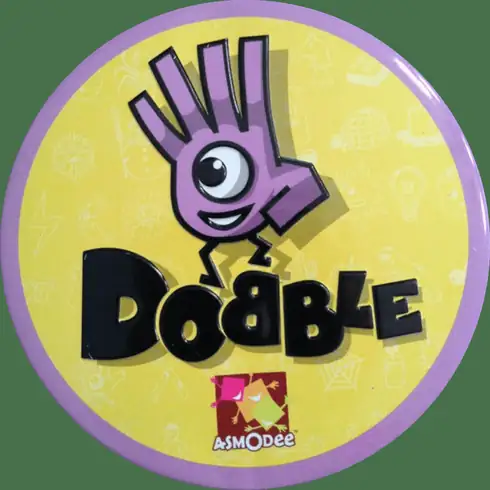
The tin contains 55 round cards, each with eight symbols, such as an anchor, an igloo or a ladybird. Any two cards share exactly one symbol, identical in shape and colour but often different in size. In one of the five mini-games, everyone turns over a card at the same time and looks for the symbol their own card shares with the face-up card in the middle. Whoever names it aloud first takes the middle card. Others require players to be the first to get rid of their cards or to pass cards on to others.
What it can help develop
Dobble is above all about visual search: the eight symbols on a player’s own card are compared with those on the middle card until the matching pair turns up. The same picture appears sometimes large, sometimes small and rotated, and the shape still has to be recognised. Everyone searches at the same time and every second counts; when the middle card changes, the search starts again from scratch. Naming under time pressure is also involved: “clover” has to come to mind instantly, and anyone who calls out too early can easily get it wrong.
Especially suitable for
- Children from age 6 who like to look closely
- In waiting rooms, on train journeys or on holiday: small and quick to explain
- Short games for a spare moment, including with grandparents
Less suitable for
- Preschool children, for whom there is Dobble Kids
- Children who quickly lose interest under time pressure
Our verdict
Dobble is a worthwhile choice for attentive observers from age 6 and for short games in the waiting room, on the train or on holiday, including with grandparents. Its strength: simple rules, a sturdy tin and enjoyment for all ages. Its limitations are delicate cards, little room for tactics and time pressure that some children find too stressful.
Getting started
- Explain beforehand: any two cards always have exactly one symbol in common; it looks the same but can differ in size.
- Play only one of the five mini-games at first, for example the one in which the aim is to collect the most cards, and try the others later.
- Agree on a rule for disputes: what counts is who names the symbol first.
In detail
Variants and player count
According to the English rules from Zygomatic, Dobble has 55 cards with eight symbols each; any two cards always share exactly one symbol, identical in shape and colour, and only the size can differ. The rules list five mini-games in which everyone plays at the same time, among them Tower (collecting the most cards) and Well (being the first to get rid of all your cards). According to the German Wikipedia, the round cards come in a tin; there are simpler versions called Dobble Kids, with 30 cards of 6 symbols each.
What reviewers say
Cliquenabend finds the rules clear at once, the game good for a quick break and for travelling, and the tin sturdy, but the cards very thin; according to Cliquenabend, no strategy is required. According to Cliquenabend, children reacted to the game in different ways, and for some the stress factor was too high. Reich der Spiele says the game is quick to explain and ideal for the doctor’s waiting room and the train. According to the review, the tin fits in any bag and the symbols appeal to young and old, but differences in size make the search harder. The user comments on Ludovox call the rules very accessible and the game suitable for all audiences; fragile cards and, by one reviewer, little long-term appeal are criticised there.
How it compares
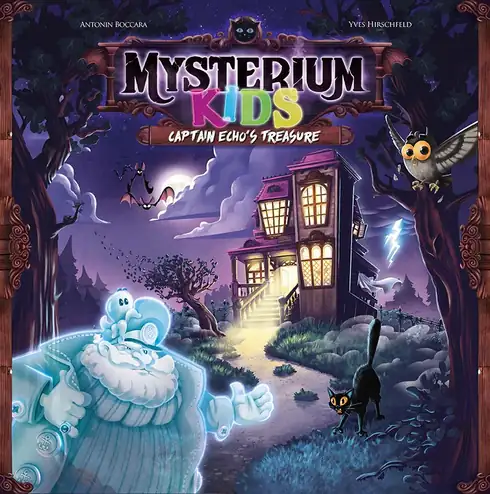
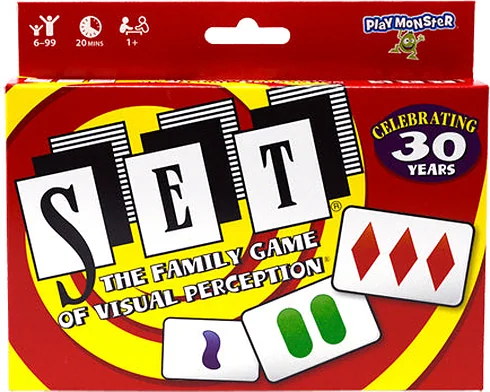
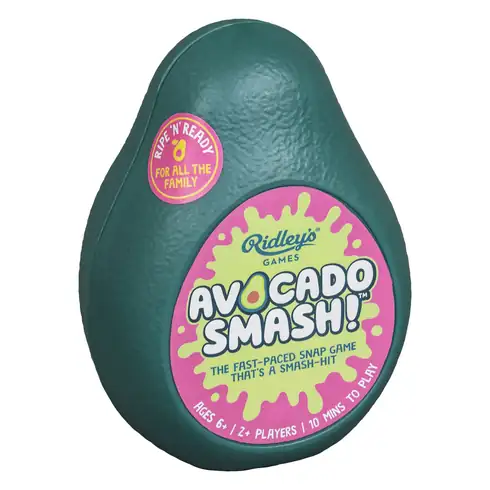
Mysterium Kids: Captain Echo’s Treasure (from age 6, 2 to 6 people, about 20 minutes) shares the skill area of perception and speed with Dobble, but adds cooperation instead of language. Players listen carefully, and at the end the team counts stars together. Mysterium Kids: Captain Echo’s Treasure is less suited to quiet moments, because the tambourine can get loud. Avocado Smash (from age 6, 2 or more people, about 10 minutes) and Dobble share the age and the skill area of perception and speed. In addition, the profile of Avocado Smash includes impulse control as well as numbers and arithmetic, and the profile of Dobble includes language. Dobble suits children from age 6 who like to look closely, and short games for a spare moment, including with grandparents; it is less suited to preschool children, for whom there is Dobble Kids instead.
Sources
Frequently asked questions
What age is Dobble suitable for?
Dobble is recommended from age 6. A child is ready when they recognise symbols even at a different size or angle and can name them under time pressure. For preschool children there is the Dobble Kids version.
How long does a game take and how many people can play?
A game takes about 15 minutes. The game is for 2 to 8 people, who play against each other in five mini-games in which everyone searches at the same time. In one of them, whoever calls out the shared symbol first takes the middle card.
What skills can Dobble help develop?
It can help develop perception and speed as well as language. The same symbol can appear in a different size or rotated and still has to be recognised and named immediately; a hasty call easily misses the mark.
Is Dobble stressful?
Everyone searches at the same time and time is short; children reacted to the game in different ways, and for some the pressure was too great. Tactics hardly matter; it is all about speed.