How it plays
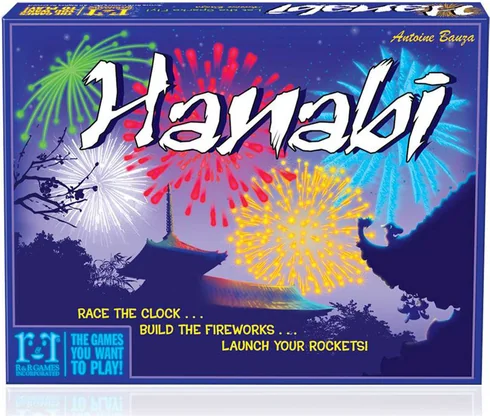
Everyone holds their cards with the faces turned away from them: players can only see the others’ hands. Together, they aim to build a fireworks display in five colours, each row running from 1 to 5. On their turn, a player either gives a clue about all the cards of one colour or number in another player’s hand (“These two are blue”), discards a card or plays one. Each clue costs a token; discarding brings one back. After three cards have been played wrongly, all is lost; otherwise every card laid counts, up to a maximum of 25 points.
What it can help develop
Hanabi above all calls on working memory. Anyone who hears “Your two cards on the left are ones” has to remember this over several rounds, link it to later clues and reassign it after drawing new cards. Perspective-taking is just as central: what does the other player already know, and how will they interpret my clue? It is precisely this need to put yourself in someone else’s place that makes Hanabi a benchmark for AI research. Logical reasoning is needed to interpret everything: what does the discard pile reveal, and what does it mean that nobody mentions my cards?
Especially suitable for
- Focused school-age children from age 8 who enjoy puzzling things out
- Siblings who usually play against each other
- Mixed groups: adults are challenged too
Less suitable for
- Restless groups: concentration is a must
- Anyone who wants to chat freely while playing
Our verdict
Hanabi is a worthwhile choice for focused school-age children and mixed groups who would rather puzzle things out together than play against each other. The jury praised the combination of cooperation, clues and deduction, and adults are challenged too. Its limitations are the demands on concentration and memory, the question of how strictly hints are handled and the fact that the jury only recommends it from age 10.
Getting started
- Pay attention to what is left unsaid as well: missing clues and the discard pile reveal something about your own cards.
- When giving a clue, always point out all the cards of one colour or number in that hand.
In detail
Variants and player count
According to Wikipedia, the components are 50 cards in five colours with values from 1 to 5, eight clue tokens and three storm tokens; multicoloured cards are added for variants. Hanabi is designed for 2 to 5 people; according to Wikipedia, the rules leave it to each group how strictly communication is handled, and with two players the game plays quite differently. On Hall9000, one reader finds the game weaker with two, while others disagree; the review on brettspiele-report.de sees the fun increasing with the number of players. A house rule mentioned on Hall9000 is that players may ask at any time about clues they have already received. According to BoardGameGeek, German editions were published by Abacusspiele in 2012 and 2013.
What reviewers say
The Spiel des Jahres jury, which gave Hanabi the award in 2013, calls it a mix of cooperative, communicative and deductive elements that had been unique until then. According to the jury, groups work together better from game to game. The jury itself recommends it only from age 10. Hall9000 says each group has to draw its own lines regarding comments, facial expressions and tone of voice. Rezensionen für Millionen describes both strict and relaxed interpretations of the communication rules and notes that in some groups more is given away than is allowed; brettspiele-report.de remarks that the communication rules are not always followed. Pöppelkiste points out that missing clues are information too and that the discard pile allows conclusions about players’ own cards.
How it compares
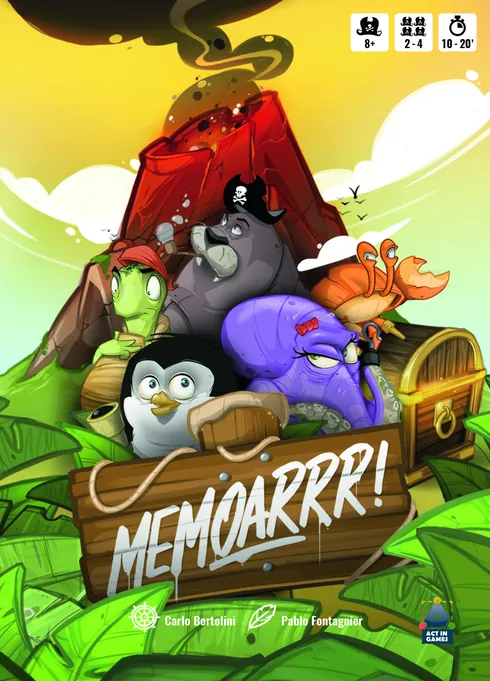
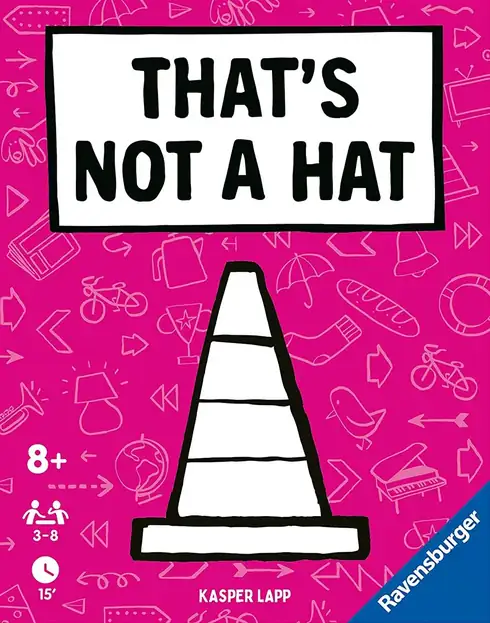
That’s not a Hat! (from age 8, 3 to 8 people, about 10 minutes) calls on working memory and perspective-taking, like Hanabi, here when weighing up whether the player next to you is bluffing. That’s not a Hat! is less suited to children who are embarrassed by mistakes in front of others. Memoarrr! (from age 8, 2 to 4 people, about 15 minutes) also draws on working memory, there when linking a picture to a location, plus cognitive flexibility. Memoarrr! is less suited to children who find being knocked out early hard to cope with. Hanabi also combines memory with cooperation as well as logic and planning, and suits focused school-age children from age 8; it is less suited to restless groups.
Sources
Frequently asked questions
What age is Hanabi suitable for?
Hanabi is recommended from age 8, while the Spiel des Jahres jury itself recommends it only from age 10. A child who can concentrate and remember clues over several rounds is ready. Anyone who wants to chat freely on the side is less well served here.
How long does a game take and how many people can play?
A game takes about 25 minutes, and the game is for 2 to 5 people, who play together. Everyone builds a fireworks display in five colours together, for a maximum of 25 points; after three mistakes, all is lost. With two players it plays differently, and some find it less appealing that way.
What skills can Hanabi help develop?
It can help develop memory and cooperation as well as logic and planning. A clue such as “These two are blue” has to be remembered over several rounds. Players also have to estimate what the other person knows and how that person will interpret a clue from them.
Are indirect hints allowed?
The rules leave it to each group how strictly facial expressions, comments and tone of voice are handled. Reviews say that each group must draw the line itself, because in some groups more is given away than is allowed.