How it plays
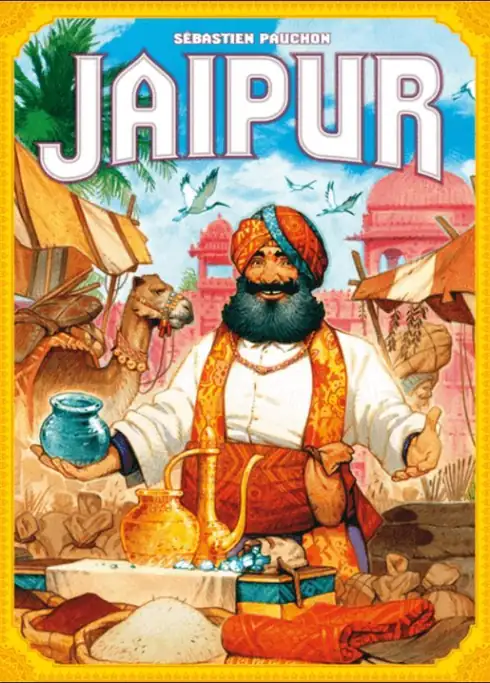
In Jaipur, two traders compete for the favour of the Maharaja. In the middle lies a market of five face-up cards: goods ranging from leather to diamonds, and camels. The active player either takes cards (one good, all the camels or several goods in exchange for cards of their own) or sells one type of goods. With each sale, the value of the tokens falls; selling three or more cards earns a bonus. Whoever has more rupees at the end of the round receives a seal; two seals win the game.
What it can help develop
Jaipur means constant weighing up. Sell two gold cards straight away while the tokens are worth a lot, or wait for the third for the bonus and risk the opponent snapping up the best tokens? This calls for planning ahead and weighing risks. Because both players see the same market, perspective-taking comes in too: whoever takes all the camels may reveal new goods for the other player. Anyone who keeps track of what has already been sold can better judge what is still to come.
Especially suitable for
- Parent-and-child duels with older school-age children
- Couples and siblings who often play as a pair
- Short games in the evening or on trips
Less suitable for
- Family groups of three or more people
- Anyone who finds the luck of the draw hard to bear
Our verdict
Jaipur is a worthwhile choice for duels between parents and older school-age children and for couples or siblings who often sit down to play as a pair. In 2010, it won the À la carte award and was on the Spiel des Jahres recommendation list; reviews highlight the rules, which are quick to explain, and the tricky weighing up. Its limitations are the strict two-player format and the luck factor that comes with the market cards being replenished.
Getting started
- Show the types of turn beforehand: on each turn, a player either takes cards (one good, several in exchange or all the camels) or sells one type of goods, never both.
- Mention the hand limit of seven cards; camels do not count. It curbs hoarding and forces players to sell in good time.
- When selling, pay attention to the number of cards: precious goods can only be sold in sets of two or more, and the bonus applies from three cards.
In detail
Variants and player count
According to Asmodee Deutschland, the German edition contains 55 goods and camel cards, 38 goods tokens, 1 camel token and 18 bonus tokens. Jaipur is a game for exactly 2 people. According to Wikipedia, each person starts with five cards in hand, five cards form the market, and the hand limit is seven, with camels not counting. The first edition was published by GameWorks in 2009; according to the jury of the Spiel des Jahres, a new edition from Space Cowboys has been available since 2020.
What reviewers say
In 2010, Jaipur was on the Spiel des Jahres recommendation list and came first in the 2010 À la carte award of Fairplay magazine. Reich der Spiele calls the market mechanism simple, effective and quick to explain. According to the review, whoever takes camels opens up new market cards for the opponent, and the question of when to sell determines the moves. Shut Up & Sit Down calls the rules clear and notes that taking the camels reveals three to five new market cards for the opponent. Hall9000 says the hand limit curbs card hoarding; the luck factor from face-down bonus tokens and drawing cards is criticised there, but other readers do not find it bothersome. Cliquenabend considers the luck factor high because cards are constantly being added, and the small box suitable for travelling.
How it compares
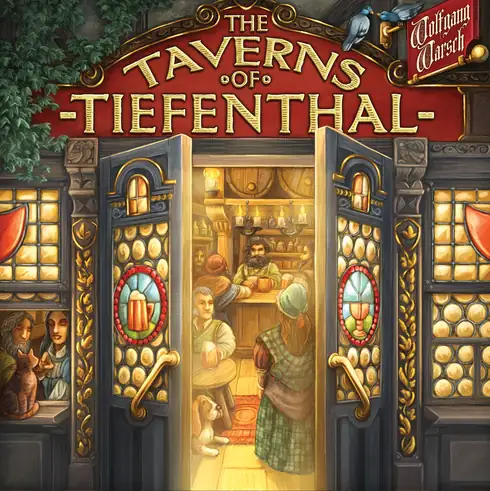
Beer & Bread (from age 10, 2 people, about 30 to 45 minutes) is, like Jaipur, a duel for two and calls for planning ahead, plus working memory and cognitive flexibility. Beer & Bread is less suited to children who cannot yet think several moves ahead. The Taverns of Tiefenthal (from age 12, 2 to 4 people, about 60 minutes) also calls for planning ahead, plus arithmetic and cognitive flexibility. The Taverns of Tiefenthal is brisk with two players, and four-player games have waiting times. Jaipur suits parent-and-child duels with older school-age children and short games in the evening or on trips. Jaipur is less suitable for family groups of three or more people and for anyone who finds the luck of the draw hard to bear.
Sources
- Wikipedia (German): Jaipur (Spiel)
- Wikipedia: Jaipur (card game)
- Spiel des Jahres: Jaipur (jury, in German)
- Wikipedia (German): À-la-carte-Kartenspielpreis
- Asmodee Deutschland: Jaipur (product page, in German)
- Reich der Spiele: review (in German)
- Cliquenabend: review (in German)
- Hall9000: review and readers’ comments (in German)
- Shut Up & Sit Down: review
Frequently asked questions
What age is Jaipur suitable for?
Jaipur is recommended from age 12 and suits older school-age children. A child is ready when they enjoy weighing things up, for example whether to sell now or wait for a bonus, and can cope with the luck of the draw.
How long does a game take and how many people can play?
A game takes about 30 minutes, often less according to one review. Jaipur is a game strictly for 2 people, who play against each other. Whoever has more rupees at the end of the round receives a seal; two seals win the game.
What skills can Jaipur help develop?
The focus is on logic and planning. Is it worth selling two gold cards immediately, or should you wait for the third and so for the bonus? If someone takes all the camels, new market cards appear for the other player. This calls for weighing risks and perspective-taking.
How much luck is there in Jaipur?
The luck factor is criticised by some, because cards are constantly being added to the market and bonus tokens are face down. Other readers are not bothered by this. The hand limit calls for targeted collecting, and keeping track of the cards helps.