How it plays
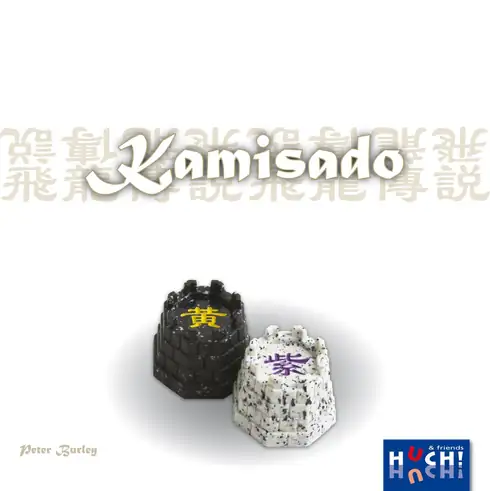
On a board of 64 squares in eight colours, eight black and eight white dragon towers face each other, each marked with a written character in one of the square colours. The towers move any distance across empty squares, straight ahead or diagonally forward. After the free opening move, each player must move the tower whose colour matches the square on which the opponent’s move ended. If that tower is blocked, the player misses a turn. Whoever first reaches the opponent’s back row wins.
What it can help develop
Every move has two sides: where do I end up, and which tower will my opponent then have to move? Would that tower have a clear path to my back row? Thinking through such chains of forced moves in advance calls for planning and working memory: players advance the position in their heads without touching the towers. The temptingly long advance is instructive: it can end on exactly the colour that hands the opponent victory, and resisting it calls for impulse control.
Especially suitable for
- Children from age 10 who enjoy brain-teasers
- Evenly matched duels with no luck of the dice at all
- Fans of abstract strategy games such as chess
Less suitable for
- Players looking for luck, a theme or conversation at the table
- Unevenly matched pairs: the more experienced player usually wins
Our verdict
Kamisado is a worthwhile choice for children from age 10 who enjoy brain-teasers and for anyone who appreciates abstract strategy games such as chess. The rules are short, the interaction is intense and there is no luck of the dice. In 2010 it was on the Spiel des Jahres recommendation list. Its limitations are the restriction to two players, the advantage of the more experienced player and long pauses for thought.
Getting started
- Explain the core rule first: the first move is free, after which players must move the tower whose colour matches the square on which the opponent’s move ended.
- Show what happens when a tower is blocked: the move is forfeited and the opponent moves again.
- Practise how the towers move: a tower moves straight ahead or diagonally forward, any distance across empty squares.
In detail
Variants and player count
According to the German publisher’s rules, the board has 64 squares in 8 colours, and the game includes 16 dragon towers, 8 black and 8 white, each with a coloured Chinese character. The first move is free; after that, players move the tower in the colour of the square on which the opponent’s move ended, straight or diagonally forward and any distance across empty squares. If this tower is blocked, the move is forfeited and the opponent moves again; whoever reaches the opponent’s back row wins. The rules recommend starting with a single game; for advanced players, they offer the Sumo rules, a match played over several games.
What reviewers say
According to Wikipedia, Kamisado was on the Spiel des Jahres recommendation list in 2010 and was nominated for the Deutscher Lernspielpreis 2010. The Spiel des Jahres jury calls Kamisado a new classic, with variants ranging from a quick single game to a marathon duel. Brettspiele-Report praises the very short rules, the very high level of interaction and the many tactical options; according to this review, a certain amount of practice is needed, and enjoyment suffers during long pauses caused by endless deliberation. Reich der Spiele calls the rules simple and the game a tactical exchange of blows, but criticises the garish colours.
How it compares
Hive (from age 9, 2 people, about 20 minutes) shares logic and planning with Kamisado and is also a duel for two. Hive needs no board: the hexagonal pieces form the playing area themselves. Beer & Bread (from age 10, 2 people, about 30 to 45 minutes) is, like Kamisado, from age 10 and shares logic and planning. In Beer & Bread, instead of towers on a colour grid, two villages compete with cards over six years for the best beer and bread. Kamisado suits children from age 10 who enjoy puzzling things out and evenly matched duels without luck of the dice. Players looking for luck, a theme or conversation at the table are less well served by Kamisado; with unevenly matched pairs, the more experienced player usually wins.
Sources
Frequently asked questions
What age is Kamisado suitable for?
Kamisado is recommended from age 10. A child is ready when they enjoy brain-teasers and, when moving, consider which tower their opponent will have to move next. Anyone looking for chance, a story or chat at the table is better served by other games.
How long does a game take and how many people can play?
A game takes about 30 minutes. The game is for 2 people, who play against each other, and whoever first reaches the opponent’s back row wins. According to the Spiel des Jahres association, there are variants ranging from a quick single game to a long marathon duel.
What skills can Kamisado help develop?
The focus is on logic and planning. Two questions matter with every move: where do I land, and which tower will my opponent have to move next? A long advance can end on a colour that lets the opponent win, and holding back the urge to make it practises impulse control.
What if a child keeps losing against adults?
Without luck of the dice, the more experienced person usually wins when players are unevenly matched. This can frustrate children. The rules recommend single games to start with, and according to one review it also takes a certain amount of practice.