 ★ 4.4
Editors' pick
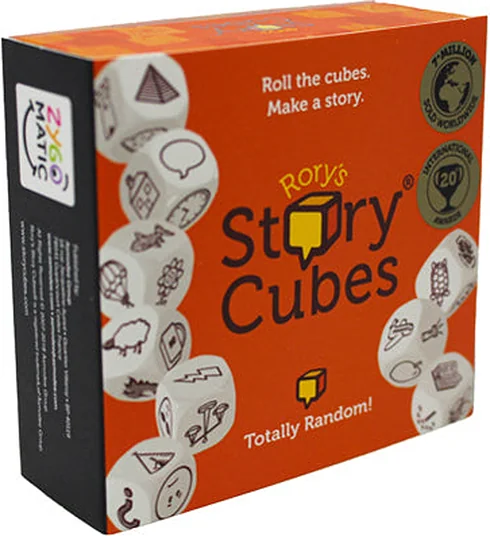
Rory's Story Cubes
Nine picture dice, endless stories: a storytelling game with no winners or losers.
At five and six, many children begin to really enjoy games with fixed rules. Such games require waiting for your turn, keeping several rules in mind and holding back the impulse to simply get going. This calls on the executive functions: impulse control (inhibition), working memory and cognitive flexibility. Impulse control in particular is still hard for younger children and continues to mature into adolescence.
Board games offer many small opportunities to practise these skills without it looking like practice. In Fruit Punch or Avocado Smash, players have to strike at the right moment and hold back their hand at the wrong one; Cockroach Salad repeatedly requires players not to say the obvious. Puzzle games such as Rush Hour Junior or IQ Puzzler Pro require thinking two or three moves ahead; in Jenga, a steady hand counts, and in Rory's Story Cubes, keeping the thread of a story.
The publishers' recommended age is a guide, not a fixed limit. It is more important that a game challenges without overwhelming. Look for short games: most games in this selection take 10 to 20 minutes. Also look for rules your child can explain on their own after a game or two, and consider what your child likes: speed and excitement, quiet puzzling alone or a game in which everyone wins together.
★ 4.4Nine picture dice, endless stories: a storytelling game with no winners or losers.
Stack the little chairs ever higher without the tower toppling: a wobbly dexterity game for steady hands.
 ★ 4.3
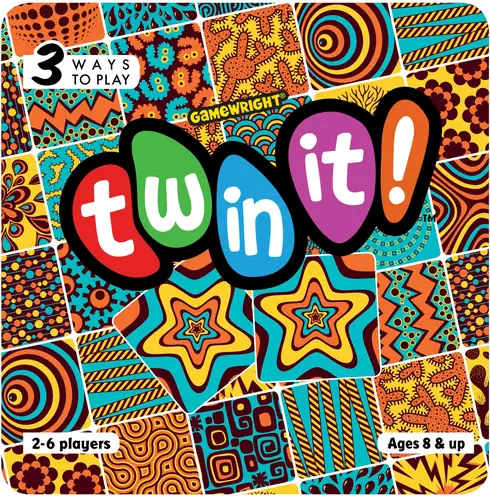
Spot two identical patterns among many similar ones in a flash and pounce: a fast-paced perception game for sharp eyes.
 Ages 6+★ 3.9
Turn over cards and slap lightning-fast when the right picture appears: a boisterous reaction and card game for the whole family.
Editors' pick Ages 6+★ 4.2
Work together to block the escape routes of Bandido: a cooperative tile-laying game from Switzerland.
Editors' pick Ages 6+★ 3.7
Use the magnetic wand to fish out only your own bells: a delicate touch meets a careful weighing of risks.
Editors' pickStack the little chairs ever higher without the tower toppling: a wobbly dexterity game for steady hands.
Editors' pick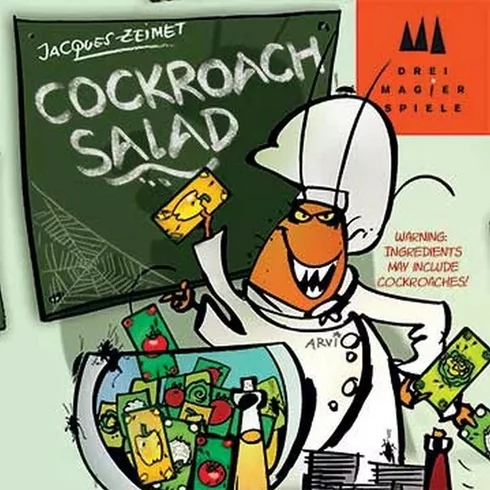 Ages 6+★ 4.2
Say “lettuce” when there is a pepper on the pile: a Stroop test turned party game, and wonderfully tricky.
Editors' pick Ages 6+★ 4.0
Move coloured balls between test tubes until they match the formula, without touching them. Pace meets a delicate touch.
Editors' pickExactly five of the same fruit? Ring the bell! The reaction classic par excellence, and secret practice in grasping quantities.
Editors' pick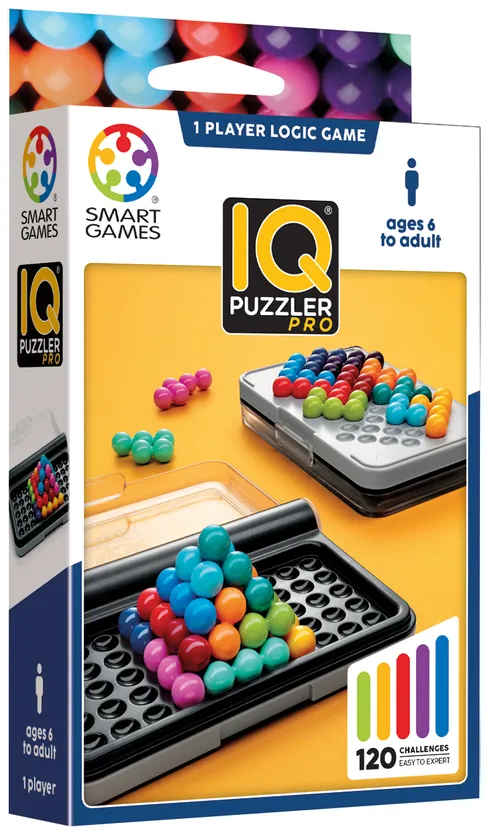 Ages 6+★ 3.8
The versatile travel-sized puzzle for on the go: challenges in 2D and 3D.
Editors' pick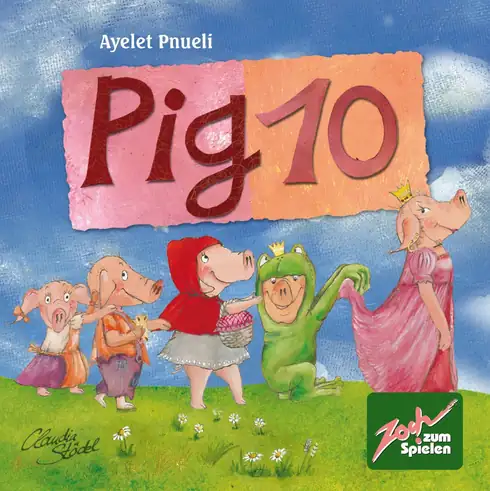 Ages 6+★ 3.9
Lay down cards and count aloud: whoever hits exactly 10 scoops up the cards. A brisk number game for mental arithmetic.
Editors' pick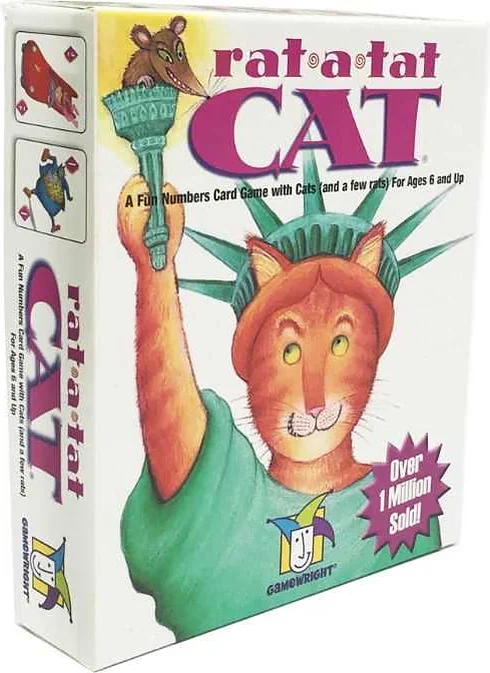 Ages 6+★ 3.9
Keep your face-down cards low: whoever forgets which card is where swaps their way to ruin.
Editors' pickAges 6+★ 4.4Nine picture dice, endless stories: a storytelling game with no winners or losers.
Editors' pick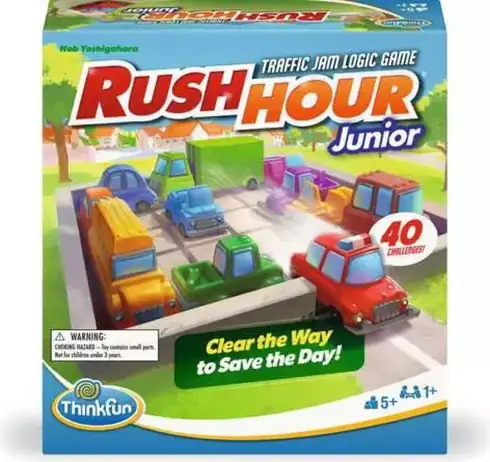 Ages 5+★ 4.0
The ice cream van is stuck: a sliding puzzle with logic challenges across four levels.
Editors' pick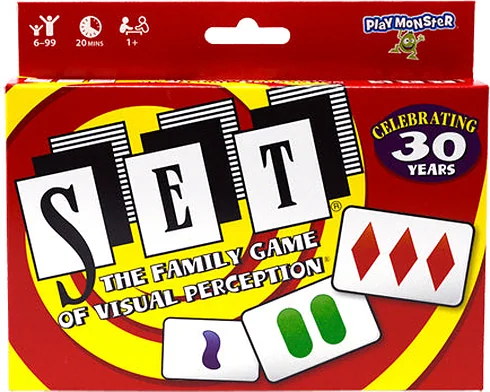 Ages 6+★ 4.1
Four features, one glance: whoever spots a valid set first may take it. Concentration in its purest form.
Editors' pickAges 6+★ 4.3Spot two identical patterns among many similar ones in a flash and pounce: a fast-paced perception game for sharp eyes.
Editors' pick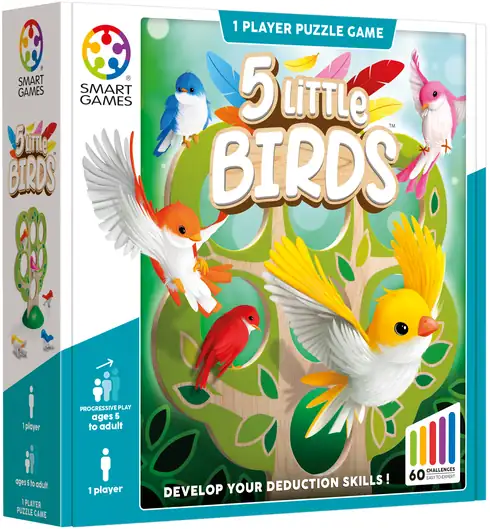 Ages 5+★ 4.0
Clip the birds onto the tree exactly as each challenge specifies: a charming solo logic game with challenges of increasing difficulty.
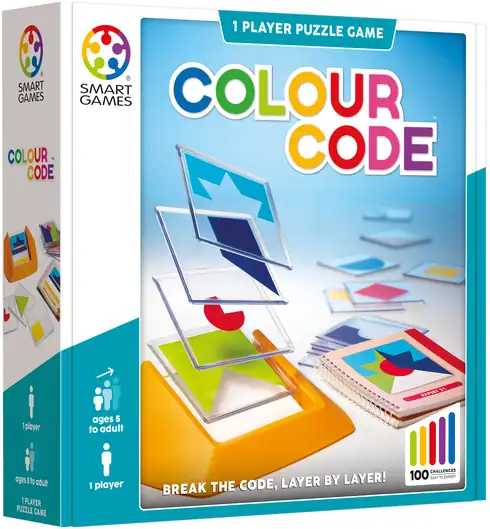 Ages 5+★ 3.8
Stack transparent shape cards in the right order until the target picture appears: a solo puzzle in spatial perception.
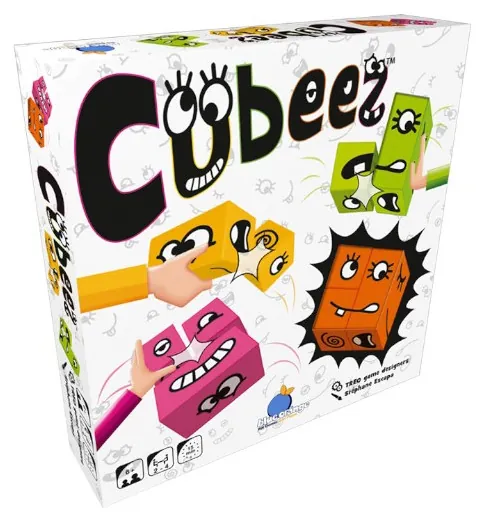 Ages 6+★ 4.0
Turn your cubes in a flash until they show exactly the pattern on the card: a fast-paced game of perception and reaction.
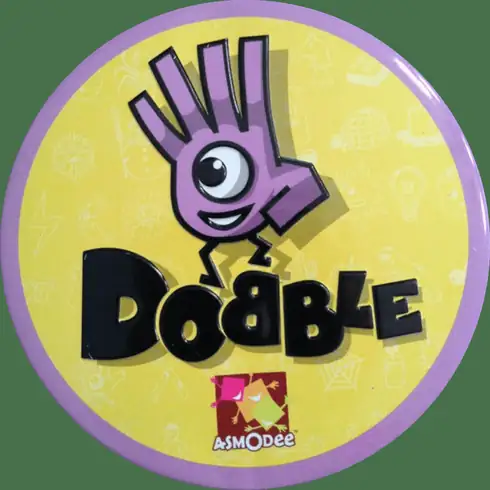 Ages 6+★ 4.0
Any two cards share exactly one symbol: whoever spots and names it first wins the card. Lightning-fast perception in a pocket-sized game.
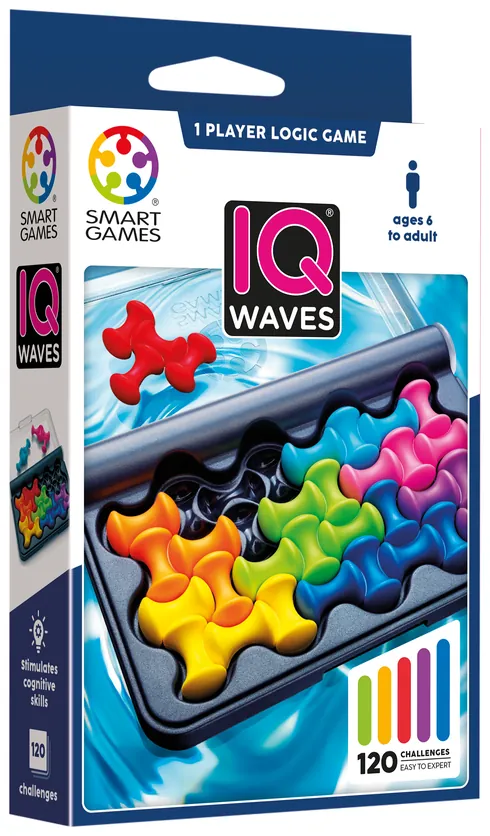 Ages 6+★ 4.0
Fit all the wave-shaped pieces onto the travel board without leaving gaps: a compact solo puzzle game.
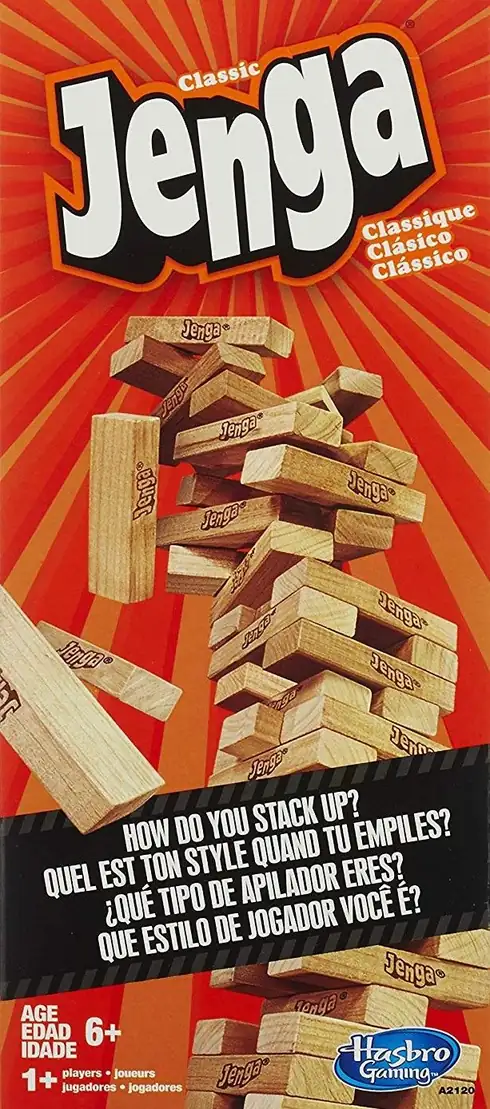 Ages 6+★ 4.3
Pull blocks out of the wobbly tower and place them on top until it topples: pure suspense and fine motor skills.
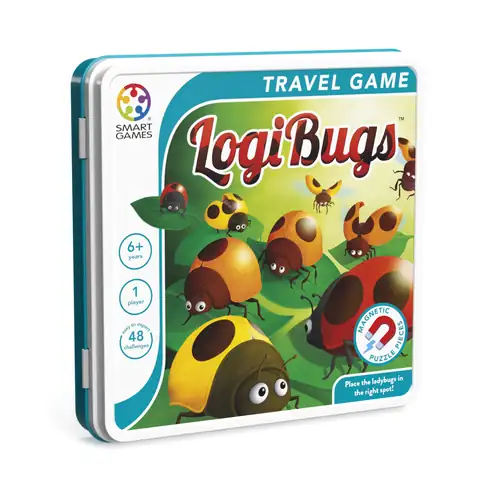 Ages 6+★ 4.0
Use the clues to work out logically where each beetle belongs on the grid: a beginner-friendly solo deduction game.
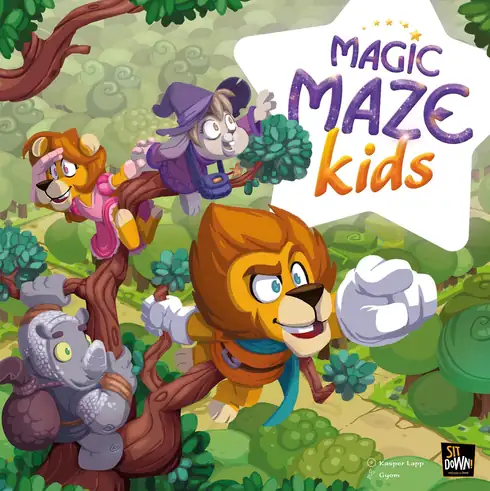 Ages 5+★ 4.2
Guide figures through the maze together, each person only in their own directions: a cooperative game without fixed turns in which talking is allowed.
 Ages 5+★ 3.6
The children's version: remember tiles, collect goods and build your very first hut. Memory and planning for children as young as five.
 Ages 6+★ 4.3
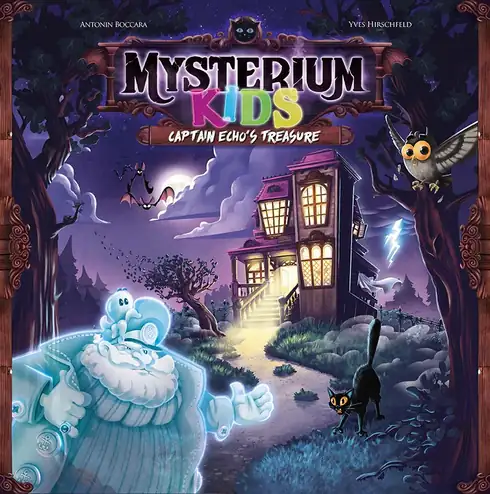
A ghost gives clues only with sounds on a tambourine, and the team has to work out together what is meant. Cooperative puzzling for children.
Here you will find all the games in our collection for which the publisher gives a minimum age of 5 or 6. The page therefore also includes games intended for five-year-olds that offer six-year-olds an easy start. Each of them has its own review on this website and is assigned to the skill areas it mainly addresses, from impulse control through logic and planning to fine motor skills.
Between the ages of five and seven, many children begin to enjoy games with fixed rules, but interest and ability vary greatly. Choose games that challenge but are not too difficult. Once the rules are familiar, it is worth stepping back as an adult: when children keep the rules in mind and insist on them themselves, the challenge is greater. If there is an argument, a solution agreed in advance helps, such as tossing a coin.
Executive functions are the mental control skills you need when you have to concentrate instead of simply acting out of habit. Three are considered core: inhibition or impulse control (resisting an impulse), working memory (keeping information in mind and working with it) and cognitive flexibility (adapting your thinking, switching perspective). They are important for school readiness and predict reading and maths performance throughout the school years.
Cooperative games, in which everyone wins or loses together, are a good place to start: in this selection, examples include Bandido and Mysterium Kids: Captain Echo's Treasure. Rory's Story Cubes has no winners at all. And adults can show by example how to take a defeat calmly while still putting their frustration about it into words.
Yes. At this age, logic games in which you have to apply rules to solve a challenge become interesting; they call on working memory and cognitive flexibility. Make sure the challenges get harder step by step: when practising executive functions, there is hardly any progress unless the demands keep rising a little. In the editions reviewed, Rush Hour Junior offers 40 challenges from beginner to expert level and IQ Puzzler Pro 120; Colour Code, LogiBugs and 5 Little Birds also grow with your child.