 ★ 4.4
Editors' pick
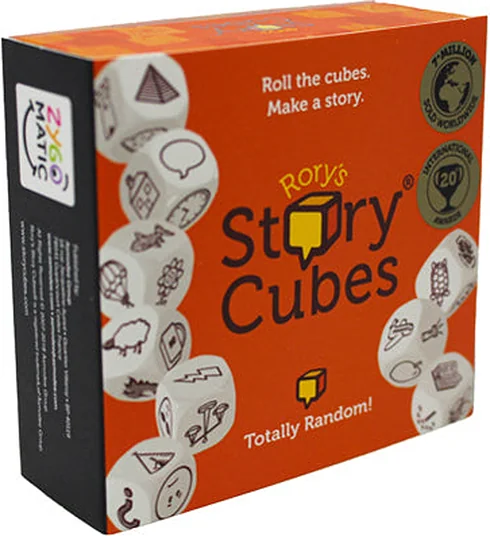
Rory's Story Cubes
Nine picture dice, endless stories: a storytelling game with no winners or losers.
Cognitive flexibility means being able to change your thinking: seeing something from a different angle, adjusting to a new rule, looking for another way when the first one does not work. It is the third of the core executive functions and builds on the other two. To switch, you have to hold back the old way of seeing things (impulse control) and keep the new one in mind (working memory). Accordingly, it matures late. Three-year-olds sort cards by colour or by shape without mistakes, but stick to the old rule when a new one applies. By four and a half to five, most children manage the switch; children usually cannot switch flexibly from card to card until the age of seven to nine, and switching keeps improving even after that.
Many board games call for this kind of rethinking all the time. In Qwirkle Rummy, a card sometimes fits because of its colour and sometimes because of its shape. In Cockroach Salad, the obvious answer keeps turning out to be the wrong one. In Ghost Blitz, players decide afresh with every card whether to grab an object straight away or to rule things out first. In Bananagrams and Pentago, a new letter or the turn of a quarter of the board can upset a finished plan. In Codenames and Concept, players describe words in roundabout ways and follow the other players' trains of thought.
When choosing, it helps to look at the pace: fast reaction games practise switching under time pressure, calm tile-laying and strategy games practise adapting a plan. Choose a game that challenges your child without overwhelming them, and increase the difficulty later.
★ 4.4Nine picture dice, endless stories: a storytelling game with no winners or losers.
 ★ 4.3
Everyone builds their own word grid at the same time: Scrabble without a board, but with speed instead.
 ★ 4.3
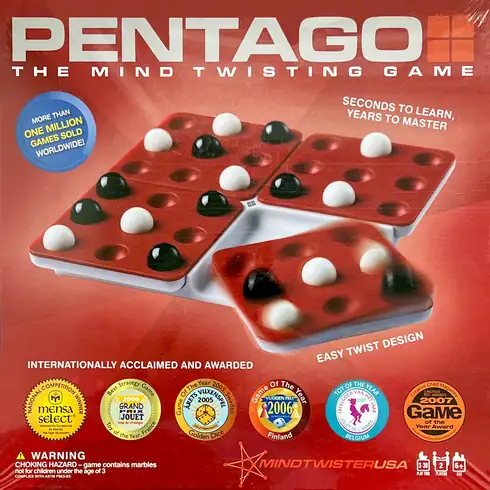
Get five marbles in a row, but after every marble a quarter of the board turns. Strategy that keeps you rethinking.
Ages 7+★ 4.3Everyone builds their own word grid at the same time: Scrabble without a board, but with speed instead.
Editors' pick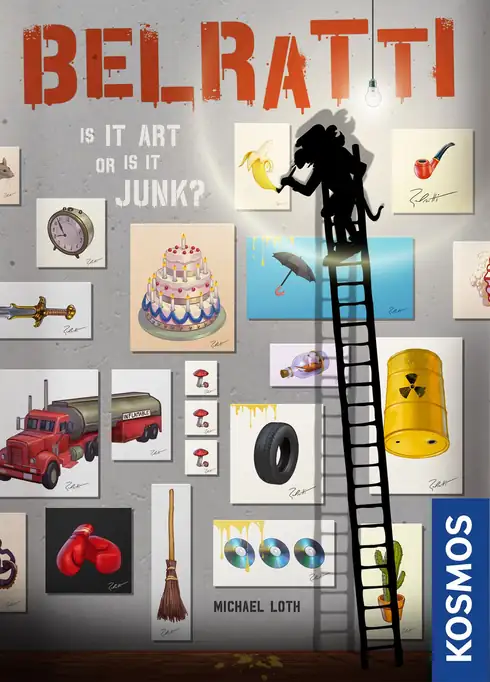 Ages 8+★ 4.0
The painters supply matching pictures, and the museum management has to spot the forgeries Belratti has slipped in: a charming cooperative association game.
Editors' pick Ages 6+★ 4.2
Say “lettuce” when there is a pepper on the pile: a Stroop test turned party game, and wonderfully tricky.
Editors' pickGrab the right object, or the one that is not shown at all: reaction speed and impulse control under time pressure.
Editors' pick Ages 10+★ 4.1
As master builders in ancient Egypt, ship stones by boat and erect monuments: tactical deliveries with constant rivalry.
Editors' pick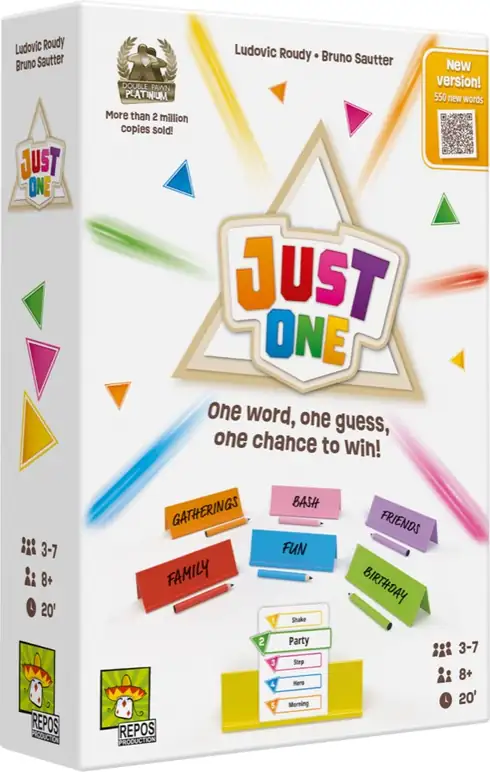 Ages 8+★ 4.1
Everyone writes a clue, and duplicates are crossed out: the most warm-hearted word game of recent years.
Editors' pick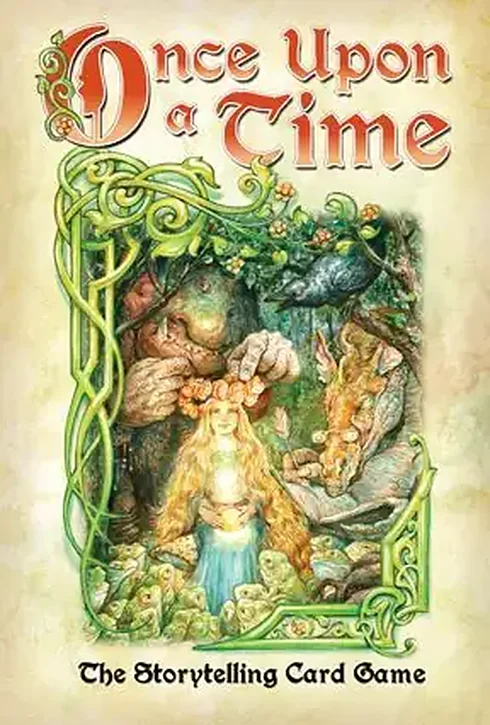 Ages 8+★ 3.9
Invent a fairy tale together and use story and ending cards to steer it cleverly to your own ending: an imaginative storytelling game.
Editors' pick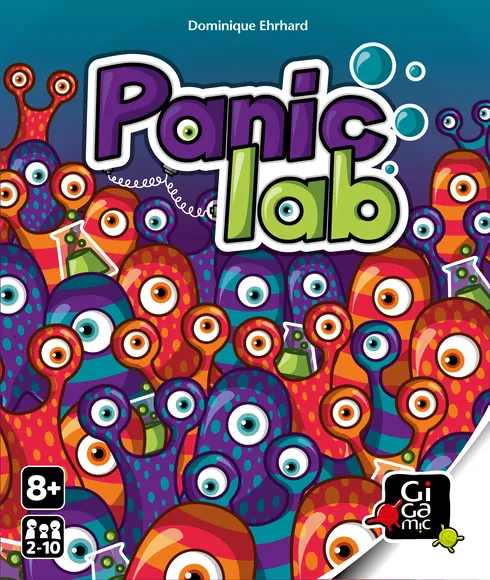 Ages 8+★ 4.0
Amoebas on the run: the dice show which one is wanted, but the way there follows devious rules.
Editors' pickAges 8+★ 4.3Get five marbles in a row, but after every marble a quarter of the board turns. Strategy that keeps you rethinking.
Editors' pick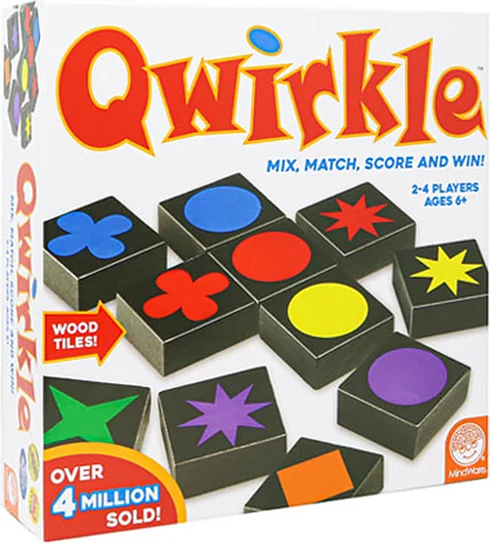 Ages 8+★ 4.0
Place colours and shapes cleverly: Spiel des Jahres 2011 (German game of the year award) and a classic family strategy game.
Editors' pickAges 6+★ 4.4Nine picture dice, endless stories: a storytelling game with no winners or losers.
Editors' pick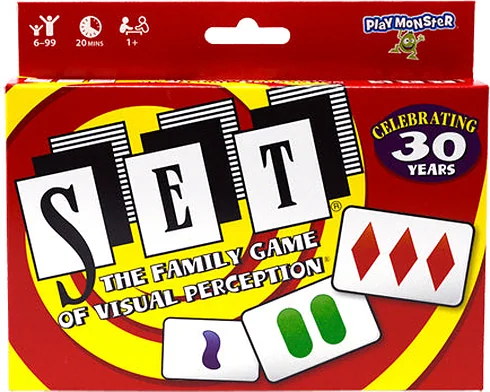 Ages 6+★ 4.1
Four features, one glance: whoever spots a valid set first may take it. Concentration in its purest form.
Editors' pick Ages 13+★ 4.1
Explain a term without using the five most obvious words: creative paraphrasing against the ticking clock, as a team.
Editors' pick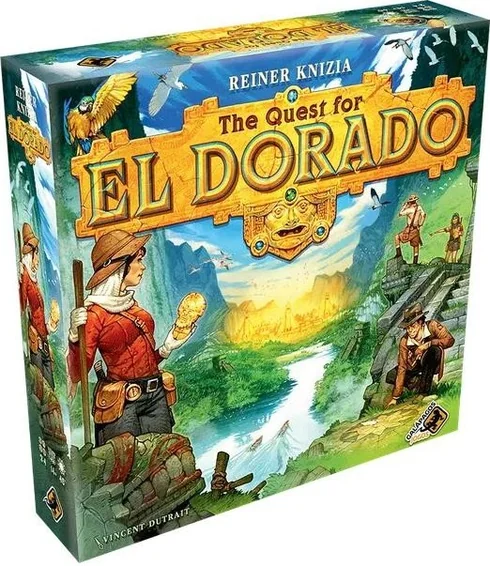 Ages 10+★ 4.2
Winning the race through the jungle with a growing deck of cards: accessible deck-building with constant forward momentum.
Editors' pick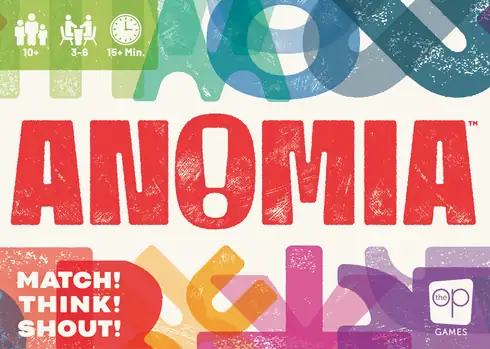 Ages 10+★ 4.0
When two symbols match, shout out an example for the other player's category at lightning speed and win their card: a fast-paced word-finding game for groups.
 Ages 10+★ 3.9
Two teams, a grid of words: get your team to guess as many of its own words as possible from a single clue word. Pure wordplay and association.
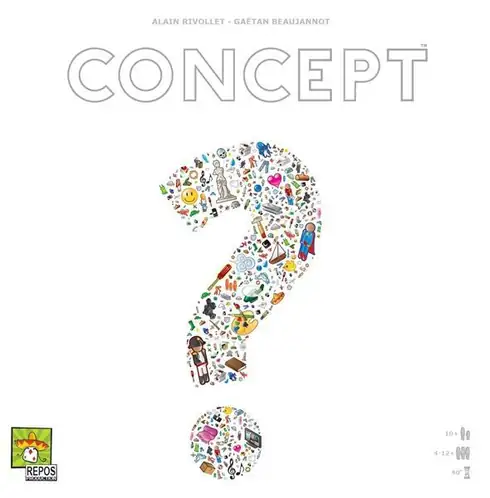 Ages 10+★ 3.9
Explain terms using only symbols on the board: no words at all, but plenty of deductive skill as a team.
 Ages 10+★ 4.0
Two players use cards to build bridges between islands and win majorities: a close, tactical tug of war for supremacy.
 Ages 8+★ 4.3
Everyone lays the same path tiles at the same time and guides their adventurers to the temples: a tricky race on a jungle island.
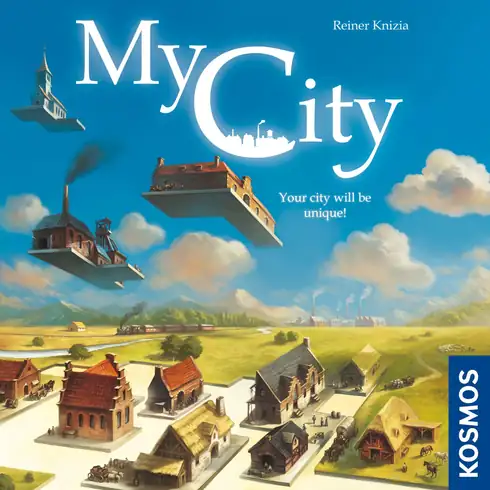 Ages 10+★ 3.8
Build a city with Tetris-style pieces over several games while it changes for good: an accessible legacy game for the family.
 Ages 8+★ 3.9
Choose tiles and complete tasks based on colour patterns while the moon decides the turn order: calm, tricky optimising.
 Ages 8+★ 4.3
Recreate a photo with strings, stones or sticks for others to guess: a creative, warm puzzle party game. Spiel des Jahres 2020 (German game of the year award).
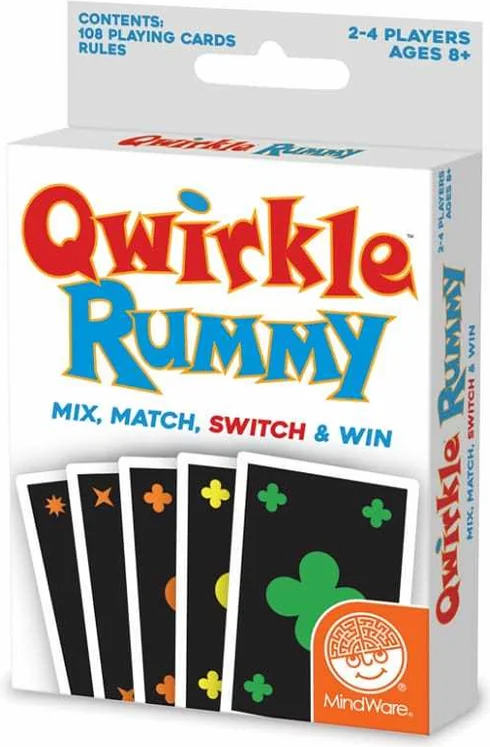 Ages 8+★ 3.8
The card version of the classic: add colours and shapes cleverly and extend rows. A compact pattern-building game for playing on the go.
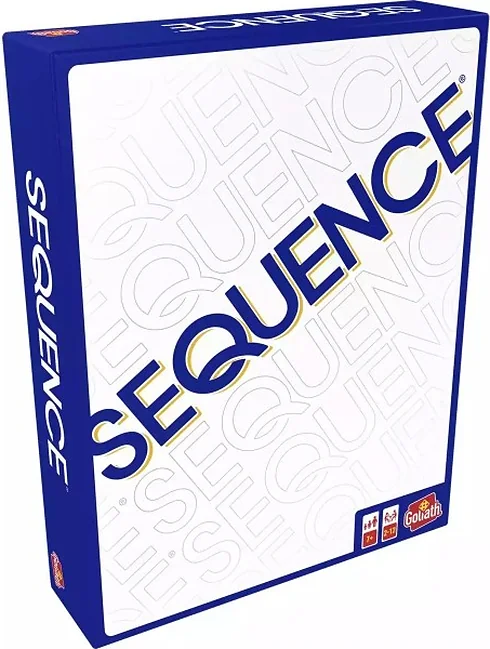 Ages 7+★ 3.9
Use the cards in your hand to claim matching spaces on the board and get five tokens in a row: a card game and a board game in one.
On this page you will find all the games in our collection whose skills profile includes the flexibility area, from fast reaction games to calm tile-laying and strategy games. The publishers' recommended ages start at age 6, and most games are recommended from an age between 6 and 8. Each game has its own review on this website, with a description of how it plays and a skills profile.
It means the ability to change your thinking: seeing a situation from a different angle, adjusting to changed rules or plans and looking for a new solution when the old one does not work. It also includes admitting a mistake and taking advantage of an unexpected opportunity. The opposite is rigidity. In everyday life, it shows, for example, when a child adopts different rules for a new game than for a familiar one, or can also see an argument from the other child's point of view.
Step by step. Three-year-olds can sort cards by colour or by shape without mistakes, but usually do not switch to the new rule, even though they know it. By four and a half to five, most children manage the switch. According to studies, children usually cannot jump flexibly back and forth between rules from card to card until the age of seven to nine. In this selection, the recommended ages start at age 6; games with quick rule changes such as Ghost Blitz are recommended from age 8.
Because the old way of seeing things does not disappear by itself. To switch, you have to actively hold back the previous rule and keep the new one in working memory; cognitive flexibility therefore builds on impulse control and working memory. That is why, in Cockroach Salad, it is so easy to call out the vegetable you can see. How a child feels on the day matters too: stress, sadness, loneliness or lack of sleep can affect executive functions first. A tired child who keeps getting it wrong needs a break more than another game.
Both train flexibility, just in different ways. In fast games, the switch has to happen within seconds. In calm tile-laying and strategy games such as Pentago, Sequence or Nova Luna, players adapt their own plan to the other players' moves. If your child quickly loses interest under time pressure, start with a calm game. What matters is playing regularly and gradually increasing the challenge: without growing demands, progress remains small.