 ★ 4.3
Editors' pick
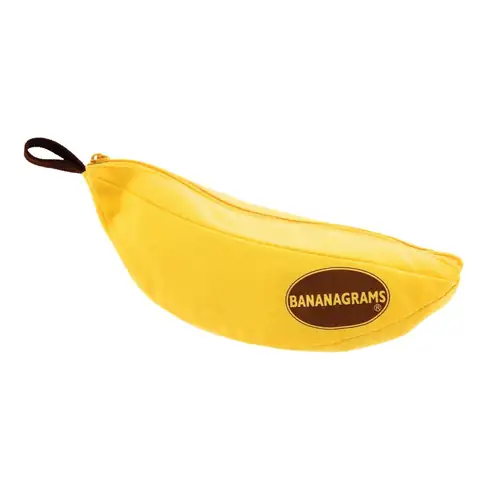
Bananagrams
Everyone builds their own word grid at the same time: Scrabble without a board, but with speed instead.
In perception and speed games, two things matter: quickly taking in what is on the table and staying accurate while doing so. Is that really the same symbol or just a similar one? Experts call the speed at which this happens processing speed; it increases rapidly in childhood and then more slowly in adolescence. Added to this is the ability to block out what is unimportant: in research on executive functions, this is called selective attention, part of interference control.
Board games demand exactly that, with immediate feedback. In Dobble, any two cards have exactly one symbol in common, and the pictures in Twin it! are deliberately very similar. In Jungle Speed, grabbing too hastily is penalised: check first, then act. SET and Qwirkle require players to switch between colour, shape and other features; there are child development experts who explicitly name such games as practice for cognitive flexibility.
From age 4 there are simple games, including junior editions with fewer symbols. From age 8, games come in where several rules apply at once, such as Panic Lab or Ghost Blitz. Make sure that a game rewards accuracy and not just speed: younger children often react too quickly, and giving them a moment's time reduces their mistakes. Most games take no longer than about 15 minutes.
★ 4.3Everyone builds their own word grid at the same time: Scrabble without a board, but with speed instead.
 ★ 4.3
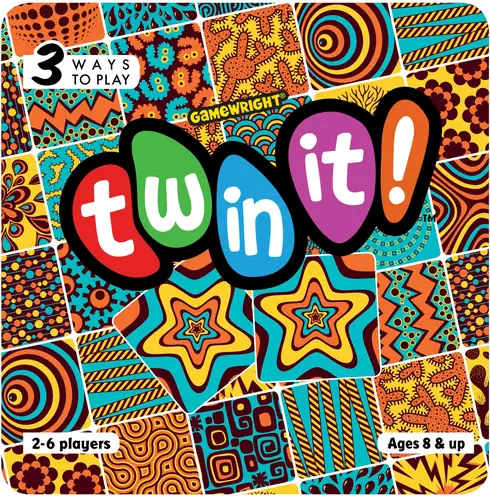
Spot two identical patterns among many similar ones in a flash and pounce: a fast-paced perception game for sharp eyes.
 ★ 4.2
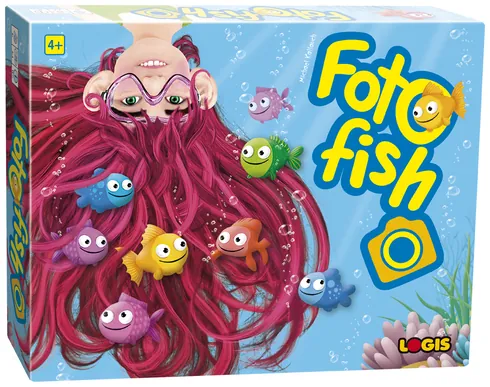
Find the fish shown on the dice in your own aquarium and “photograph” them as quickly as possible: a search-and-speed game for children.
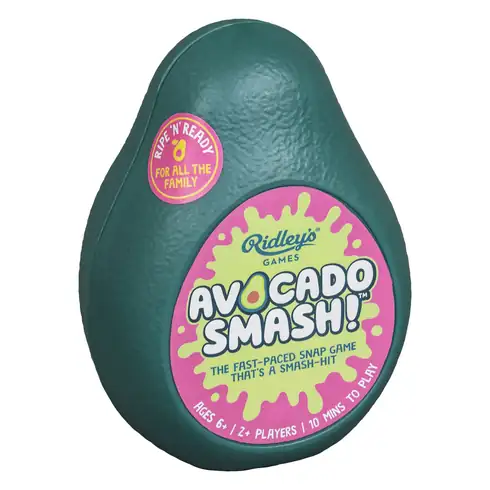 Ages 6+★ 3.9
Turn over cards and slap lightning-fast when the right picture appears: a boisterous reaction and card game for the whole family.
Editors' pickAges 7+★ 4.3Everyone builds their own word grid at the same time: Scrabble without a board, but with speed instead.
Editors' pick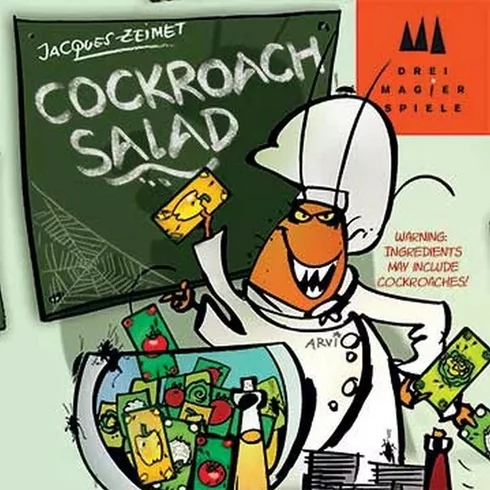 Ages 6+★ 4.2
Say “lettuce” when there is a pepper on the pile: a Stroop test turned party game, and wonderfully tricky.
Editors' pickAges 4+★ 4.2Find the fish shown on the dice in your own aquarium and “photograph” them as quickly as possible: a search-and-speed game for children.
Editors' pickExactly five of the same fruit? Ring the bell! The reaction classic par excellence, and secret practice in grasping quantities.
Editors' pickGrab the right object, or the one that is not shown at all: reaction speed and impulse control under time pressure.
Editors' pick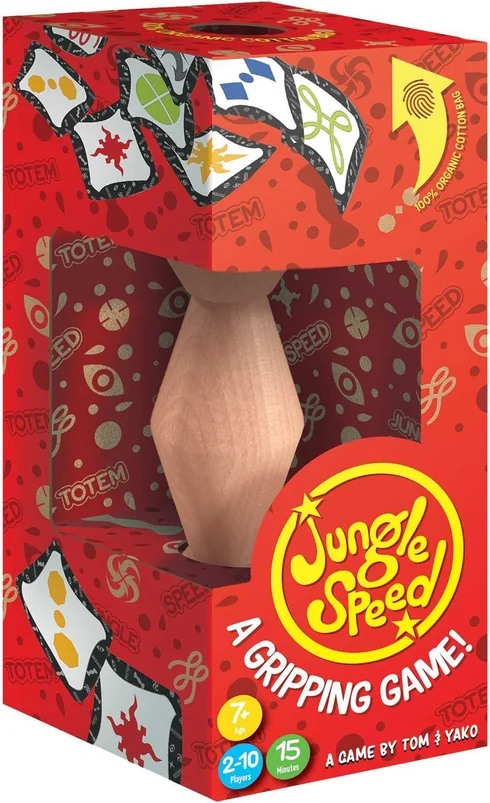 Ages 7+★ 4.2
Matching symbols? Grab the totem in a flash, but the symbols are fiendishly similar.
Editors' pick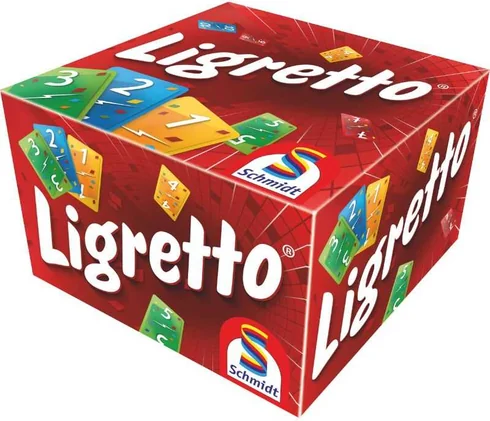 Ages 8+★ 4.2
Everyone plays at the same time, laying cards in the middle at lightning speed: it takes speed, an overview of the table and nimble hands.
Editors' pickEveryone rummages through a wild heap of socks at the same time, looking for pairs: searching fun at high speed.
Editors' pickMemorise a picture for ten seconds, then answer questions about it: a memory game in a pocket-sized box.
Editors' pick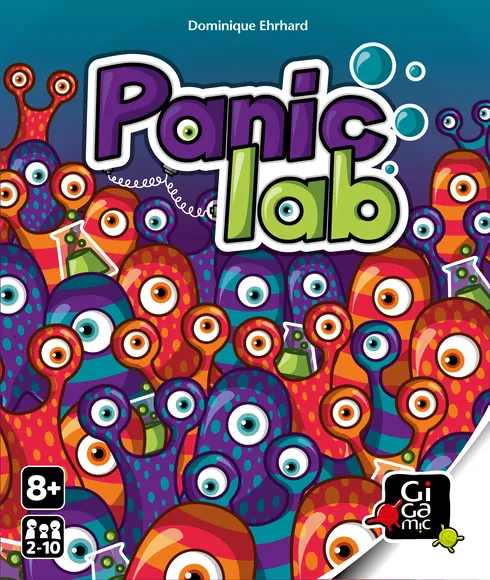 Ages 8+★ 4.0
Amoebas on the run: the dice show which one is wanted, but the way there follows devious rules.
Editors' pick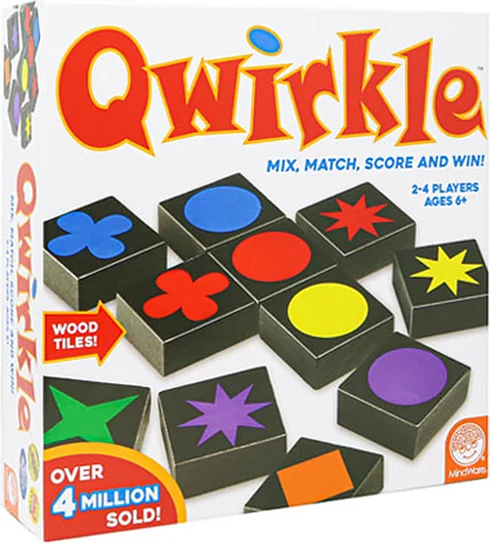 Ages 8+★ 4.0
Place colours and shapes cleverly: Spiel des Jahres 2011 (German game of the year award) and a classic family strategy game.
Editors' pick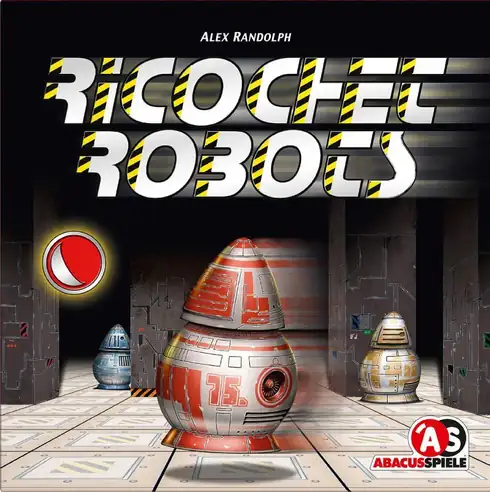 Ages 10+★ 3.9
Get robots to the target in as few moves as possible: they slide until they hit an obstacle. Puzzle-solving for everyone at once.
Editors' pick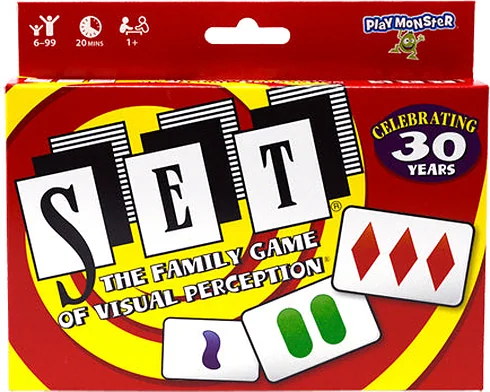 Ages 6+★ 4.1
Four features, one glance: whoever spots a valid set first may take it. Concentration in its purest form.
Editors' pick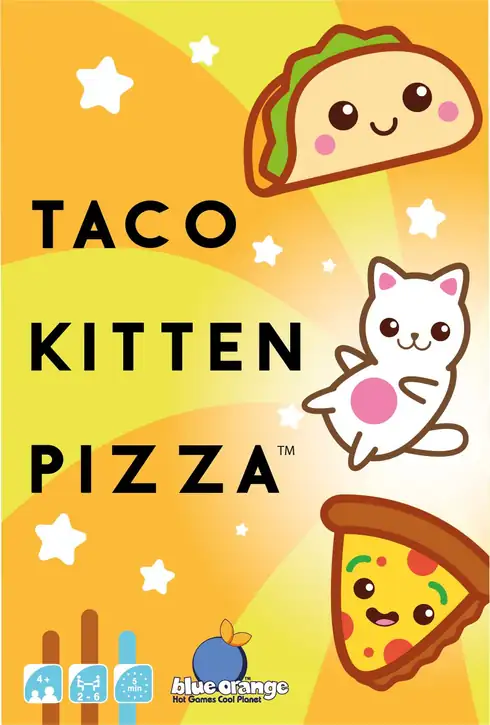 Ages 4+★ 4.2
Guessing taco, kitten or pizza and turning over the card: when a Candy card appears, everyone slaps the middle. A reaction game for children.
Editors' pickAges 6+★ 4.3Spot two identical patterns among many similar ones in a flash and pounce: a fast-paced perception game for sharp eyes.
Editors' pick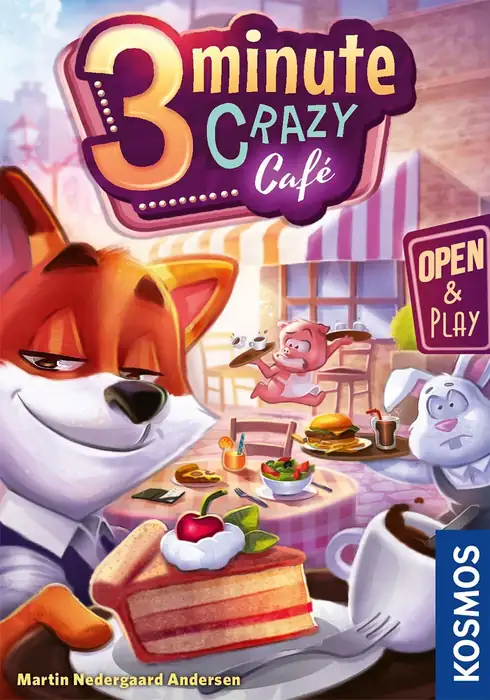 Ages 7+★ 4.1
Work through the café orders together in three rounds of three minutes each: a hectic cooperative game against the clock.
Give three answers in just five seconds while the marble run ticks away: under pressure, even simple things become delightfully hard.
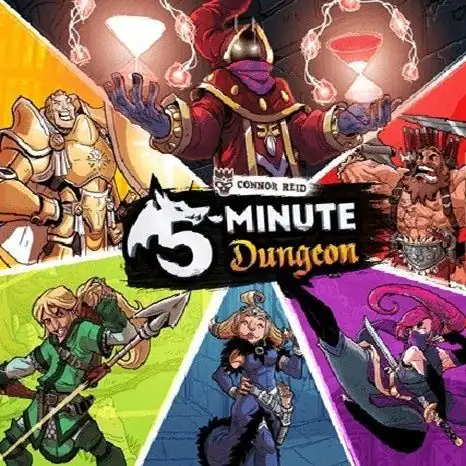 Ages 8+★ 4.1
Defeat monsters together in real time before the five minutes are up: hectic, noisy cooperative card chaos.
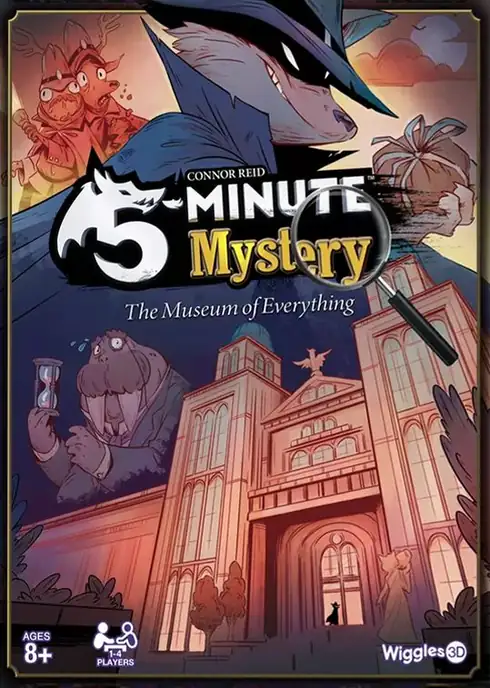 Ages 8+★ 3.8
Narrow down the culprit together using symbols, usually in just five minutes: a hectic cooperative real-time deduction game.
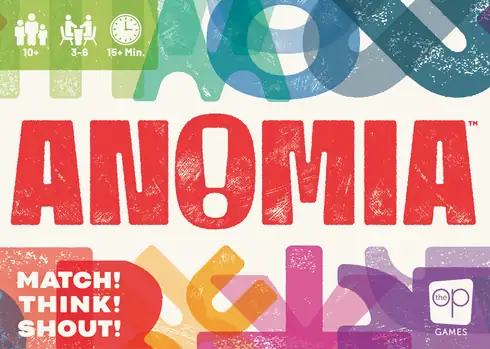 Ages 10+★ 4.0
When two symbols match, shout out an example for the other player's category at lightning speed and win their card: a fast-paced word-finding game for groups.
 Ages 4+★ 4.2
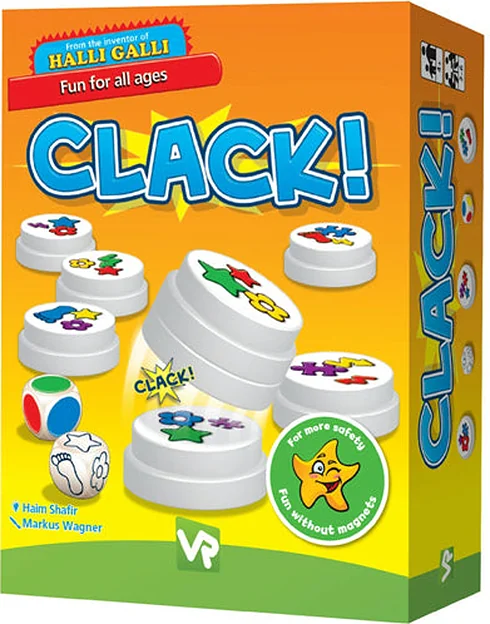
After the dice are rolled, quickly collect the matching colour and symbol discs, which stick to each other: a fast perception game.
 Ages 6+★ 4.0
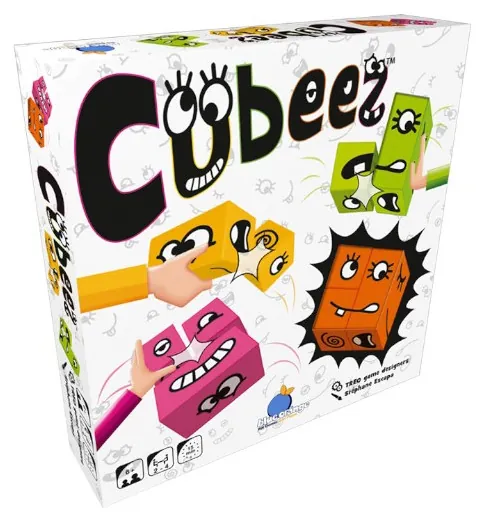
Turn your cubes in a flash until they show exactly the pattern on the card: a fast-paced game of perception and reaction.
 Ages 6+★ 4.0
Any two cards share exactly one symbol: whoever spots and names it first wins the card. Lightning-fast perception in a pocket-sized game.
 Ages 4+★ 4.0
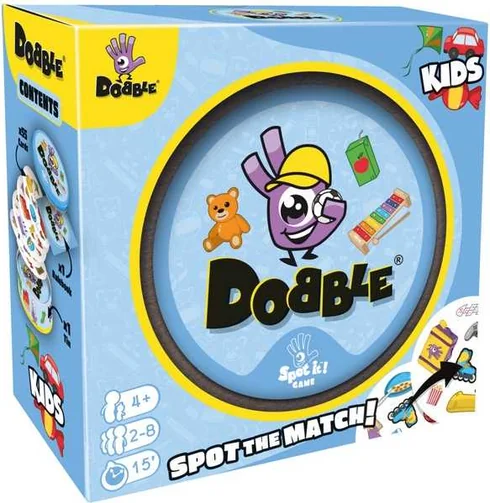
The simpler animal version of the classic symbol game: spotting the same animal on two cards. An ideal first quick-recognition game from age 4.
 Ages 4+★ 3.9
Roll the dice, then race to grab the piece in the colour and shape shown: a fast-paced perception and reaction game.
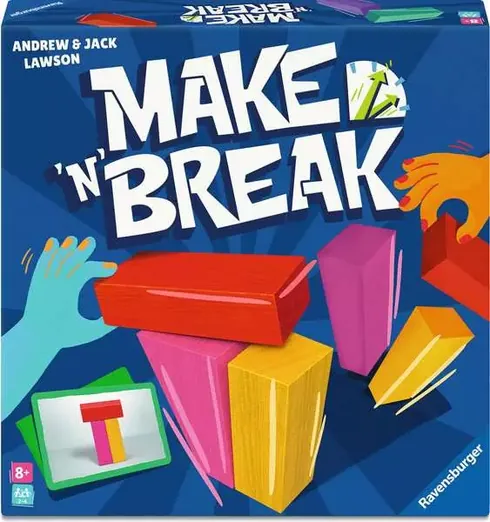 Ages 8+★ 3.9
In a race, stack building blocks exactly as the template shows: speed, steady hands and spatial visualisation in one game.
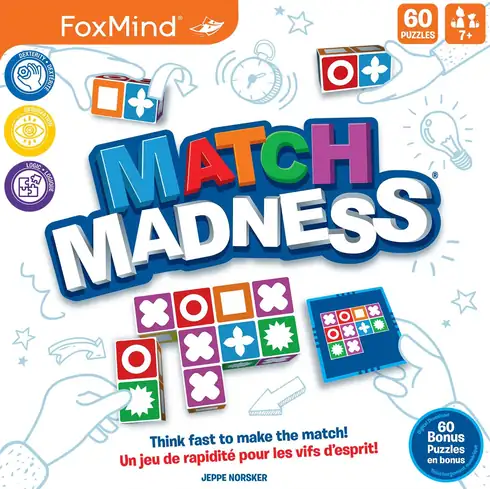 Ages 7+★ 4.1
Race to arrange your own blocks so that they match the pattern card exactly: a fast game of spatial perception.
 Ages 10+★ 3.8
Solve criminal cases step by step on a huge seek-and-find city map: close observation and deduction as a team of investigators.
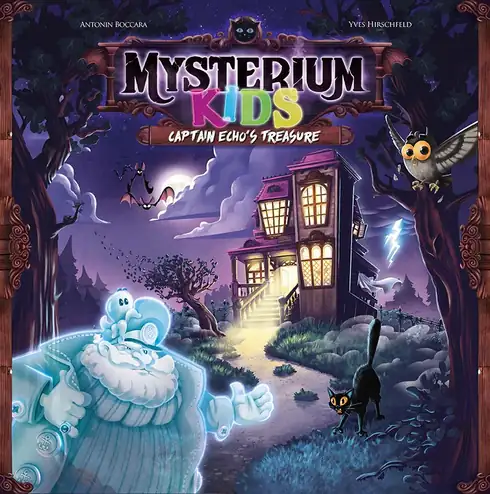 Ages 6+★ 4.3
A ghost gives clues only with sounds on a tambourine, and the team has to work out together what is meant. Cooperative puzzling for children.
Pass the ticking bomb on before it goes off: quickly name a word with the required letter group. Word finding under time pressure.
The classic word game with categories as a fast card game: find words for a letter and a category in a flash, vocabulary under time pressure.
 Ages 8+★ 4.0
Take turns flipping cards and saying the words in sequence; when picture and word match, everyone slaps as fast as they can. Delightfully silly reaction chaos.
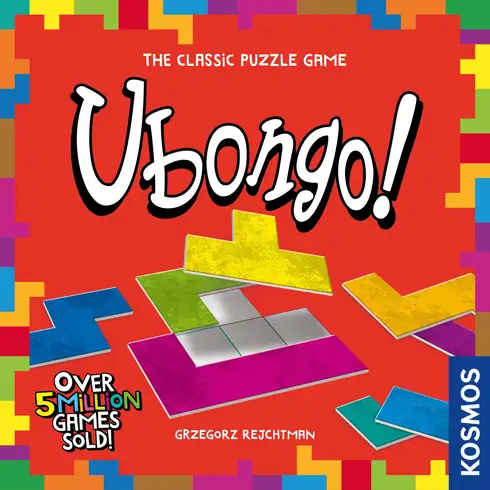 Ages 8+★ 4.3
Race to fit coloured pieces exactly into your own puzzle board and call “Ubongo!”: fast-paced spatial puzzling.
Here you will find all the games in our collection that we have assigned to the perception and speed skill area. Most of them also have a second area, such as impulse control or fine motor skills. Each of them has its own review on this website, with a description of how it plays and a skills profile. The recommended ages come from the publishers.
Three things above all: quickly taking in what there is to see or hear; telling precisely whether two things are the same or only similar; and blocking out distractions. Where hasty grabbing is penalised, impulse control comes in too. Games in which sometimes the colour and sometimes the shape counts, such as Qwirkle, also call on cognitive flexibility. A game usually involves several of these; the skills profile in each review shows what is in the foreground.
The first games already work for children aged 4 to 6: Dobble Kids and Lucky Sock Dip are recommended from age 4. From age 6, classics such as Dobble and Fruit Punch follow, as does SET with its several features, and from age 8, games with several rules such as Ghost Blitz. What matters more than the number on the box is that your child is challenged but not overwhelmed.
Processing speed grows throughout childhood; adults usually react faster. Simple handicaps help, such as playing with the weaker hand or grabbing a moment later. Cooperative real-time games such as 3 Minute Crazy Cafe or 5-Minute Mystery are a good alternative: in them, everyone plays together against the clock rather than against each other.
A US study gives an indication: children aged seven to nine played games that required quick recognition and rapid reactions, on screen and at the table, for one hour twice a week for eight weeks. Afterwards, they did considerably better in a standard test of processing speed, but not in logical reasoning; for children who played reasoning games, it was the other way round. This is a single study, and it says nothing about school results.