 ★ 4.2
Editors' pick
Memoarrr!
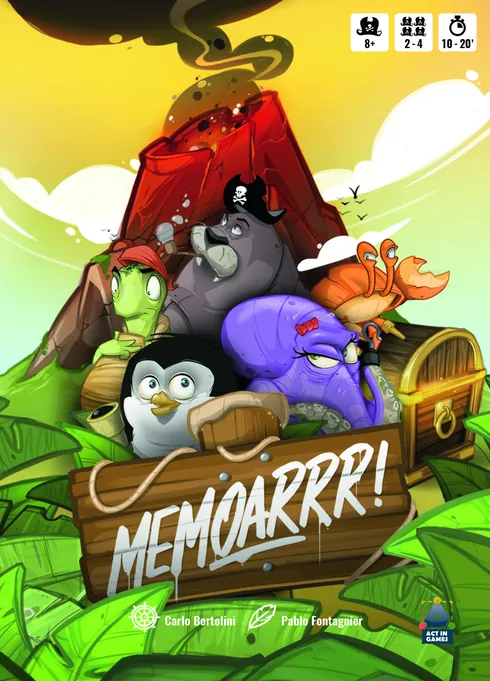
A memory game (matching pairs) for advanced players: only cards that match may be turned over, and anyone who slips up is out.
Memory games are about more than learning things by heart. Above all, they call on working memory: keeping information in mind and working with it, for example remembering which card is where and updating what you have memorised after every swap. Even very young children can hold on to something briefly. Keeping several things in mind at once or rearranging them, by contrast, develops slowly: working memory performance rises steadily from the preschool years into adolescence. From around the age of seven, its organisation and memory strategies already resemble those of adults.
Board games offer opportunities to practise this at increasing levels of difficulty. The simplest form is memorising a picture for a short time, as in My First BrainBox. In My First Stone Age, players remember what is on the face-down tiles. It becomes more demanding when what you have memorised keeps changing: in Spooky Stairs, the ghosts swap places, and in Rat-a-Tat Cat and Cabo Deluxe Edition, face-down cards change places. In That's not a Hat!, presents are passed around the circle face down. In Hanabi, players keep track of the clues given by the others over several rounds, and in Mastermind and Ricochet Robots they combine feedback and sequences of moves in their heads.
When choosing, the right level of challenge is what counts: a game should stretch children without overwhelming them and become harder over time. Short games with little to remember are good for getting started. Bluffing games such as That's not a Hat! also bring extra excitement to the table; in the cooperative game Hanabi, everyone wins or loses together.
★ 4.2A memory game (matching pairs) for advanced players: only cards that match may be turned over, and anyone who slips up is out.
Memorise a picture for ten seconds, then answer questions about it: a memory game in a pocket-sized box.
Crack the secret colour code: deduction in its purest form, the classic logic game for two.
 Ages 8+★ 3.8
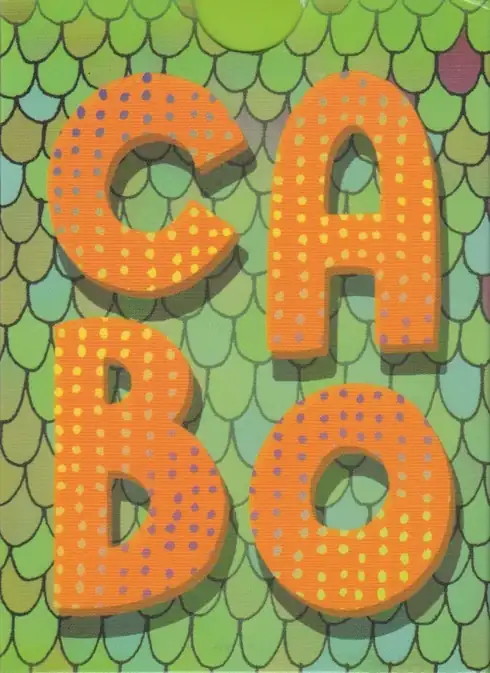
Keep your face-down cards as low as possible, swap cleverly and call “Cabo” at the right moment: memory meets bluffing.
Editors' pick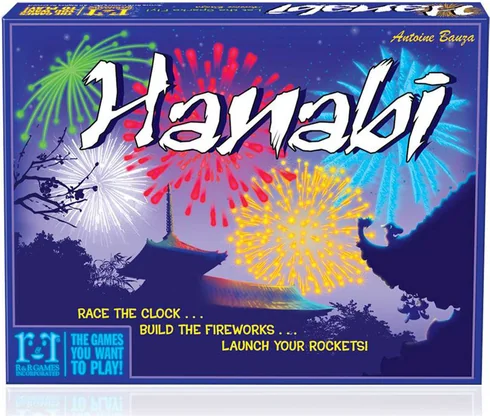 Ages 8+★ 3.9
Everyone can see your cards except you: a cooperative fireworks display for the memory.
Editors' pickCrack the secret colour code: deduction in its purest form, the classic logic game for two.
Editors' pickAges 8+★ 4.2A memory game (matching pairs) for advanced players: only cards that match may be turned over, and anyone who slips up is out.
Editors' pickMemorise a picture for ten seconds, then answer questions about it: a memory game in a pocket-sized box.
Editors' pick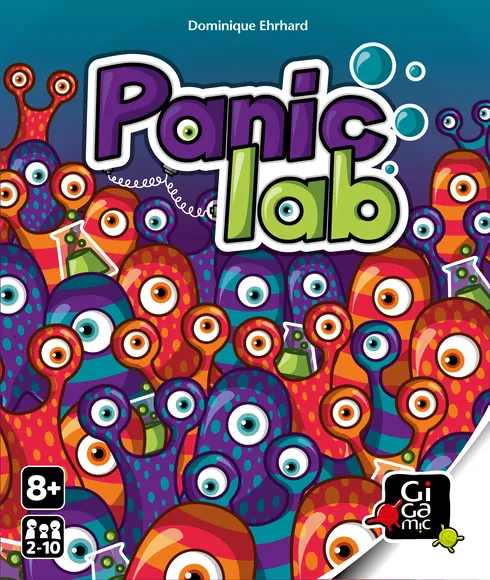 Ages 8+★ 4.0
Amoebas on the run: the dice show which one is wanted, but the way there follows devious rules.
Editors' pick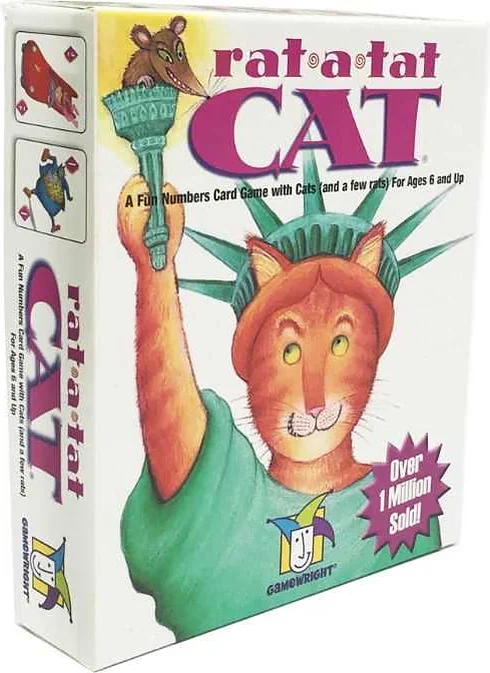 Ages 6+★ 3.9
Keep your face-down cards low: whoever forgets which card is where swaps their way to ruin.
Editors' pick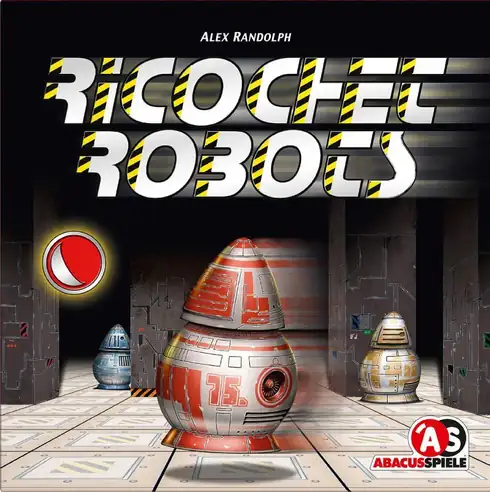 Ages 10+★ 3.9
Get robots to the target in as few moves as possible: they slide until they hit an obstacle. Puzzle-solving for everyone at once.
Editors' pick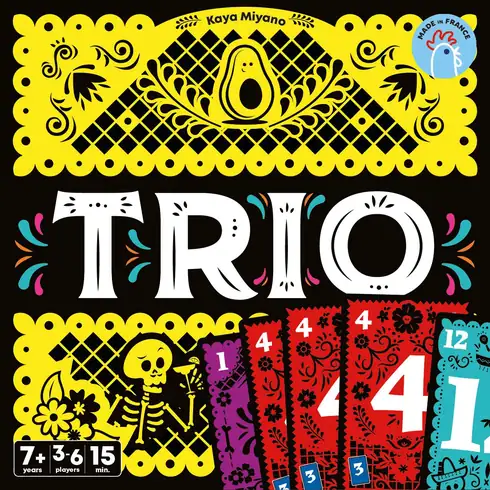 Ages 7+★ 4.0
Revealing hidden numbers and collecting three of a kind: whoever keeps track and guesses boldly wins. A simple, punchy game idea.
Editors' pick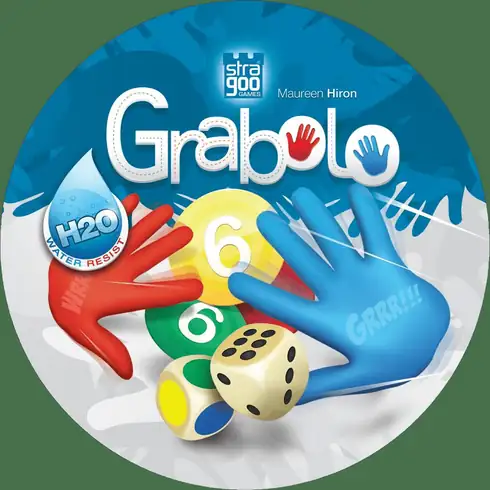 Ages 4+★ 3.9
Roll the dice, then race to grab the piece in the colour and shape shown: a fast-paced perception and reaction game.
 Ages 5+★ 3.6
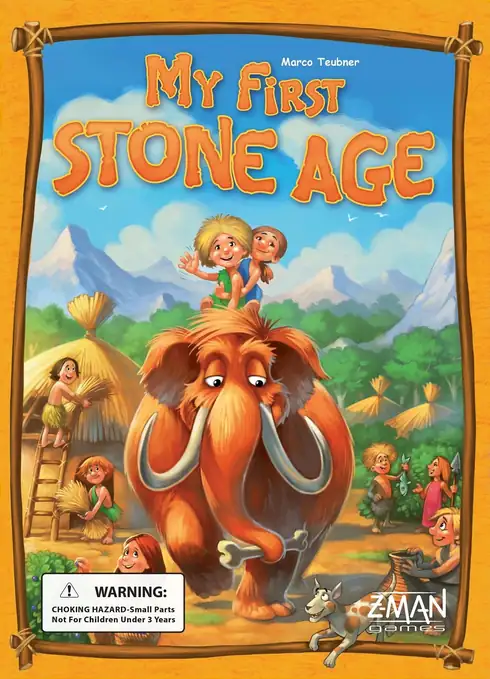
The children's version: remember tiles, collect goods and build your very first hut. Memory and planning for children as young as five.
Climb the haunted stairs with your figures, but remember who is who under the ghost hats: a classic memory game for children.
 Ages 8+★ 3.9
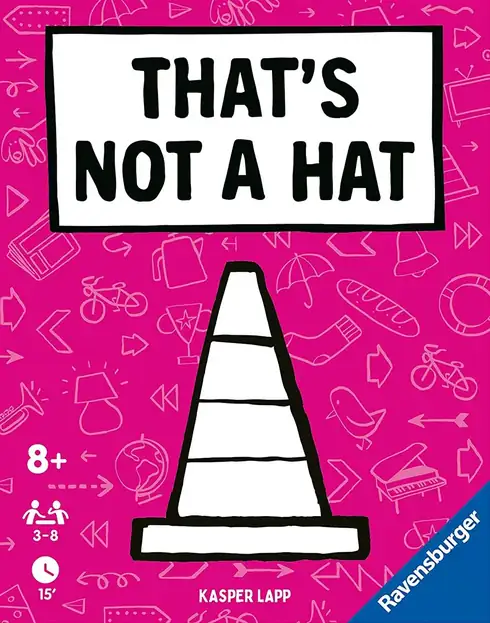
Passing presents on face down and remembering what is where: anyone who fibs may get caught out. A mean little memory and bluffing game.
Here you will find all the games in our collection that we have assigned to the memory skill area. Each of them has its own review on this website, with a description of how it plays and a skills profile. The recommended ages come from the publishers and range from age 4 (My First BrainBox, Spooky Stairs) to age 10 (Ricochet Robots).
Working memory keeps information available in your mind for a short time so that you can work with it. It is more than simple short-term memory: you do not just hold on to information, you also rearrange it, calculate with it or update what you have memorised. Children need it, for example, for mental arithmetic or when they have to keep an instruction with several steps in mind. In Spooky Stairs, players have to know where their own figure is hiding after the ghosts have swapped places.
Simple memory games are available for children from age 4. Even very young children can hold on to something briefly; keeping several things in mind at once and changing them, by contrast, develops slowly and continues to mature into adolescence. In this selection, Spooky Stairs and My First BrainBox are recommended from age 4, My First Stone Age from age 5 and Rat-a-Tat Cat from age 6. Publishers recommend games in which what you have memorised keeps changing, such as Cabo Deluxe Edition, That's not a Hat! or Hanabi, from age 8.
Nobody can promise that. It is true that executive functions, which include working memory, are linked to reading and arithmetic performance. However, a meta-analysis of working memory training programmes found mainly short-term gains on similar memory tasks; these did not convincingly transfer to arithmetic or word reading. Memory games are therefore above all a lovely opportunity to play together and practise remembering along the way, not a learning programme.
Make the task smaller: start with a game from a younger age group, or play as a team at first, with child and adult together. A good game challenges children without overwhelming them and only gets harder gradually. Pay attention to the moment, too: when a child is short of sleep or stressed, these are exactly the skills that suffer first. Playing should be fun and not feel like a test.