 ★ 4.4
Editors' pick
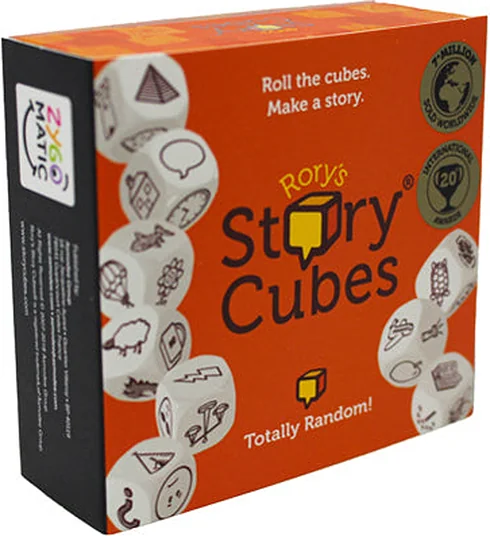
Rory's Story Cubes
Nine picture dice, endless stories: a storytelling game with no winners or losers.
Playing as a pair has a special appeal: nobody waits long, the child is involved in every turn and has their mother or father all to themselves. The American Academy of Pediatrics (AAP) describes age-appropriate play with parents as a special opportunity for young children to develop social-emotional, cognitive and language skills as well as self-regulation, on which executive functions build. At the same time, it can strengthen a secure, reliable relationship. A board game with a little strategy calls on all three core functions. Players keep a plan in mind over several moves (working memory), avoid rushing a move (inhibition) and change plans when the opponent thwarts them (cognitive flexibility).
What works for two depends on age. Most children start to enjoy games with rules from around the age of three, but at first they often need an adult who plays along and helps when there are winners and losers. From age 8, the selection also includes abstract strategy games such as Quoridor or Pentago. With practice, children can become really good at them.
The selection ranges from reaction, memory and dexterity games through card and strategy duels to cooperative games. Pay attention to the balance of power: games with a little luck and games in which both players win or lose together offset the adult's advantage. A game should challenge without overwhelming. Most games here take half an hour or less.
★ 4.4Nine picture dice, endless stories: a storytelling game with no winners or losers.
 ★ 4.3
Everyone builds their own word grid at the same time: Scrabble without a board, but with speed instead.
 ★ 4.3
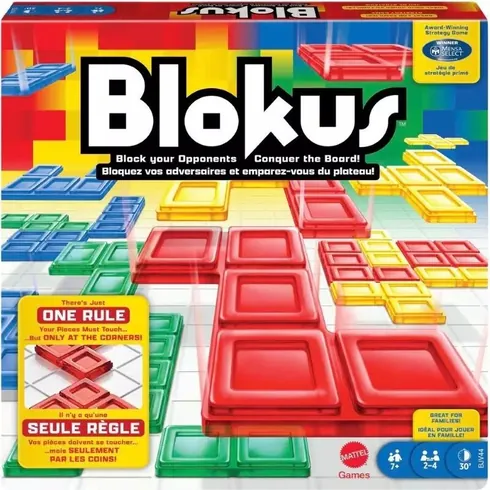
Get all your pieces onto the board, with each new one touching your own only at a corner. Pure spatial strategy.
 Ages 8+★ 4.0
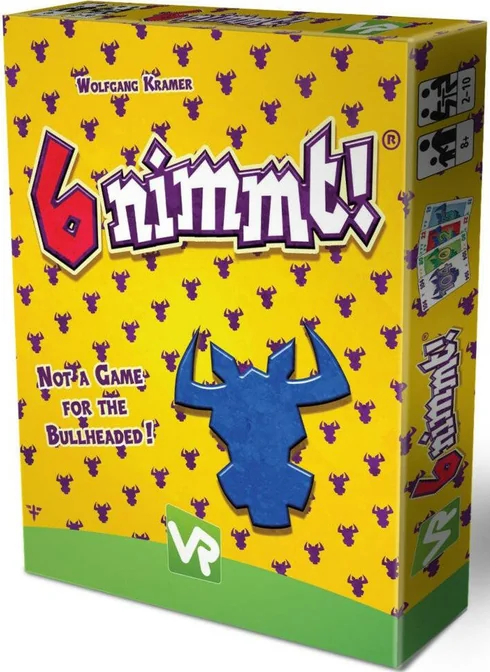
Whoever lays the sixth card collects the row: number logic, a feel for risk and delightful gloating.
Editors' pick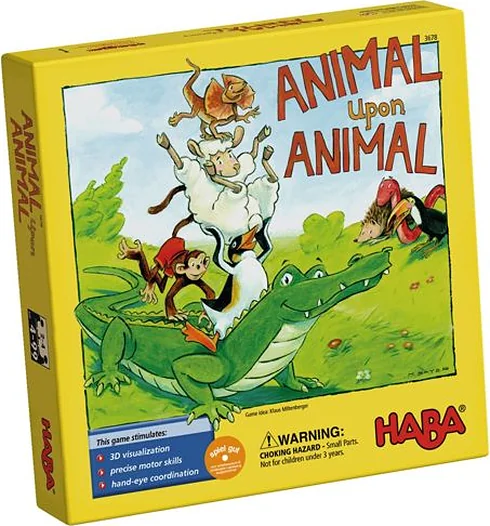 Ages 4+★ 4.2
Crocodile carries sheep carries penguin: the classic stacking game for steady hands and a good eye.
Editors' pick Ages 6+★ 3.9
Turn over cards and slap lightning-fast when the right picture appears: a boisterous reaction and card game for the whole family.
Editors' pickAges 7+★ 4.3Everyone builds their own word grid at the same time: Scrabble without a board, but with speed instead.
Editors' pick Ages 6+★ 4.2
Work together to block the escape routes of Bandido: a cooperative tile-laying game from Switzerland.
Editors' pick Ages 6+★ 3.7
Use the magnetic wand to fish out only your own bells: a delicate touch meets a careful weighing of risks.
Editors' pickAges 7+★ 4.3Get all your pieces onto the board, with each new one touching your own only at a corner. Pure spatial strategy.
Editors' pick Ages 10+★ 4.0
Defuse a bomb as a team: deduce the values of hidden wires from scant clues and cut them. Spiel des Jahres 2025 (German game of the year award).
Editors' pick Ages 8+★ 3.8
Keep your face-down cards as low as possible, swap cleverly and call “Cabo” at the right moment: memory meets bluffing.
Editors' pick Ages 7+★ 4.2
Combine dice cleverly and advance on up to three routes, but whoever keeps rolling too greedily loses the whole turn. A classic of weighing risks.
Editors' pickStack the little chairs ever higher without the tower toppling: a wobbly dexterity game for steady hands.
Editors' pick Ages 6+★ 4.2
Say “lettuce” when there is a pepper on the pile: a Stroop test turned party game, and wonderfully tricky.
Editors' pick Ages 6+★ 4.0
Move coloured balls between test tubes until they match the formula, without touching them. Pace meets a delicate touch.
Editors' pick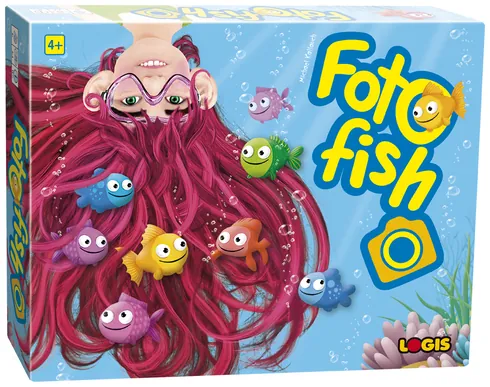 Ages 4+★ 4.2
Find the fish shown on the dice in your own aquarium and “photograph” them as quickly as possible: a search-and-speed game for children.
Editors' pickExactly five of the same fruit? Ring the bell! The reaction classic par excellence, and secret practice in grasping quantities.
Editors' pickGrab the right object, or the one that is not shown at all: reaction speed and impulse control under time pressure.
Editors' pick Ages 8+★ 3.9
Everyone can see your cards except you: a cooperative fireworks display for the memory.
Editors' pick Ages 10+★ 4.1
As master builders in ancient Egypt, ship stones by boat and erect monuments: tactical deliveries with constant rivalry.
Editors' pick Ages 7+★ 4.2
Matching symbols? Grab the totem in a flash, but the symbols are fiendishly similar.
Editors' pick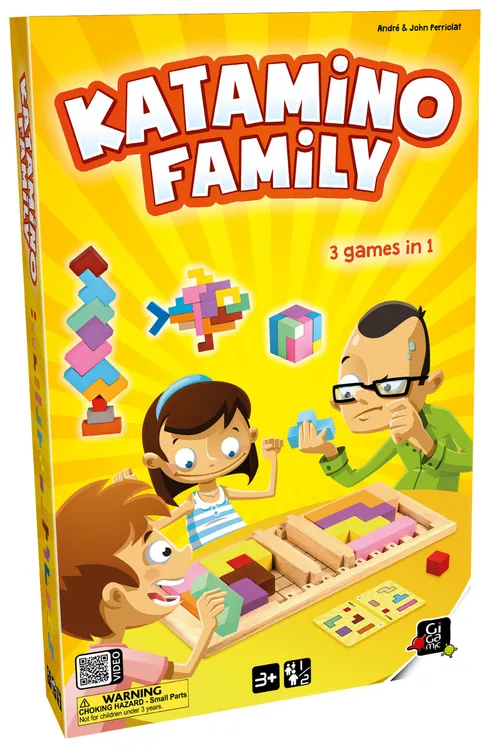 Ages 3+★ 4.2
Fit wooden blocks into the given area without leaving gaps: a versatile spatial puzzle game that grows with the player's skills.
Editors' pick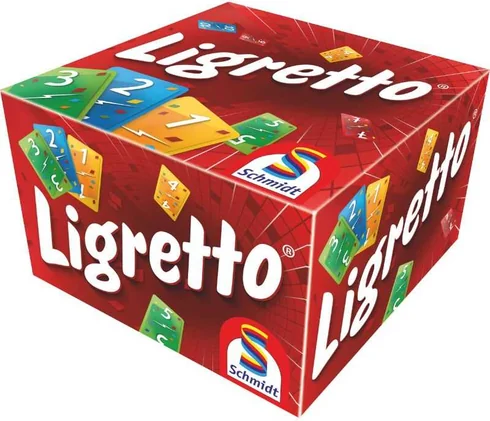 Ages 8+★ 4.2
Everyone plays at the same time, laying cards in the middle at lightning speed: it takes speed, an overview of the table and nimble hands.
Editors' pick Ages 10+★ 4.0
Two players launch expeditions and lay cards in ascending order, but every expedition started must first earn back its cost of 20 points. A thrilling duel.
Editors' pickEveryone rummages through a wild heap of socks at the same time, looking for pairs: searching fun at high speed.
Editors' pickCrack the secret colour code: deduction in its purest form, the classic logic game for two.
Editors' pick Ages 8+★ 4.2
A memory game (matching pairs) for advanced players: only cards that match may be turned over, and anyone who slips up is out.
Editors' pickMemorise a picture for ten seconds, then answer questions about it: a memory game in a pocket-sized box.
Editors' pick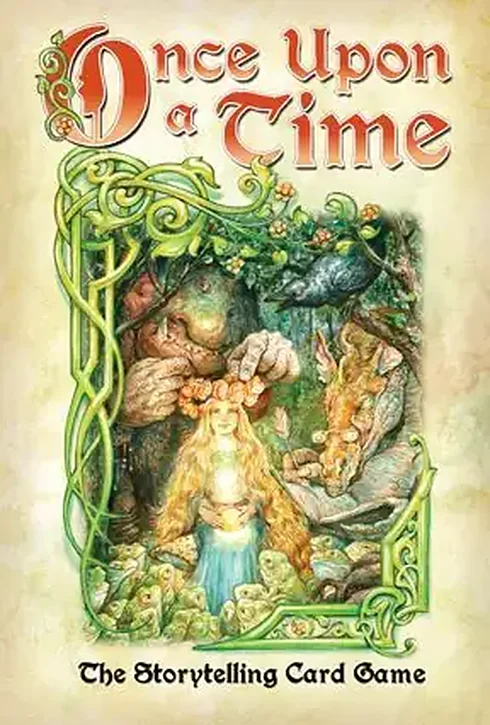 Ages 8+★ 3.9
Invent a fairy tale together and use story and ending cards to steer it cleverly to your own ending: an imaginative storytelling game.
Editors' pick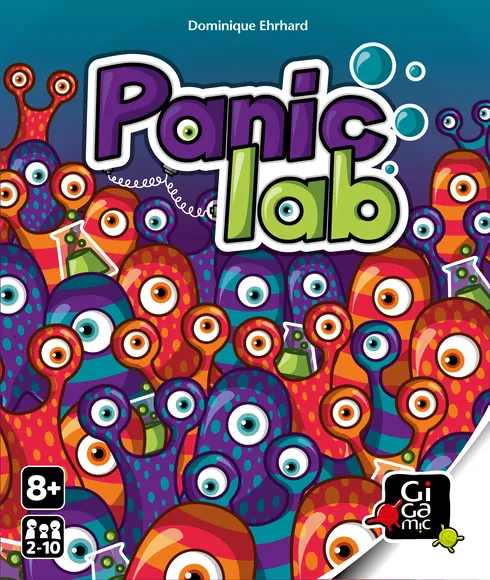 Ages 8+★ 4.0
Amoebas on the run: the dice show which one is wanted, but the way there follows devious rules.
Editors' pick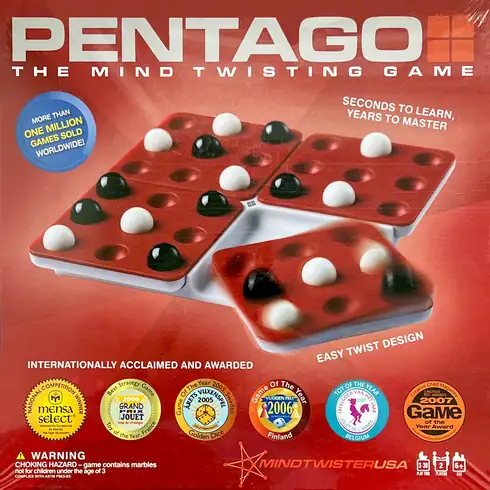 Ages 8+★ 4.3
Get five marbles in a row, but after every marble a quarter of the board turns. Strategy that keeps you rethinking.
Editors' pick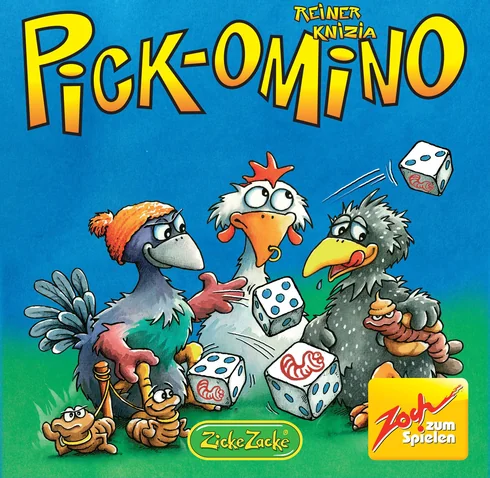 Ages 8+★ 3.9
Roll, add up, take a gamble: keep rolling or secure the worm? Weighing risks, with an addictive streak.
Editors' pick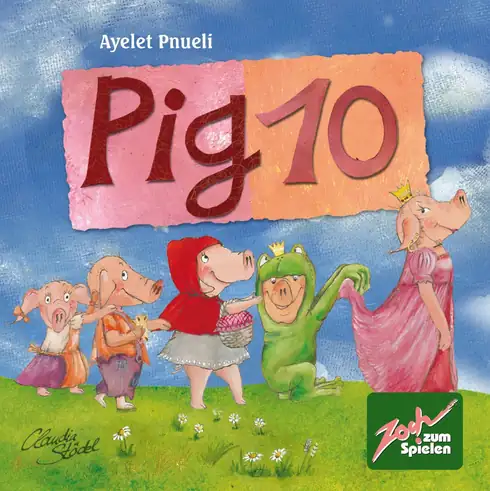 Ages 6+★ 3.9
Lay down cards and count aloud: whoever hits exactly 10 scoops up the cards. A brisk number game for mental arithmetic.
Editors' pickReveal ships and secure your winnings before you push your luck too far: an exciting push-your-luck card game in a pirate harbour.
Editors' pick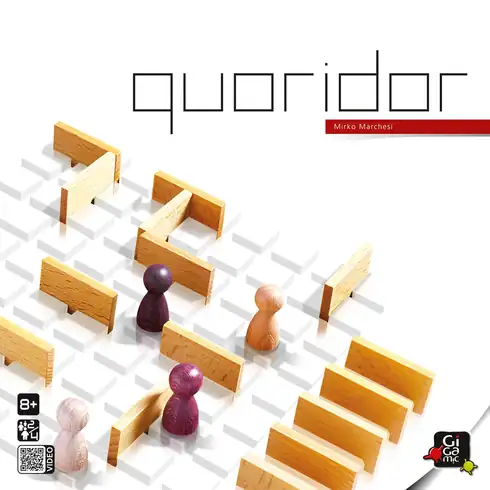 Ages 8+★ 4.2
Get your pawn to the opposite side while slowing your opponent down with walls: elegant logic on a maze board.
Editors' pick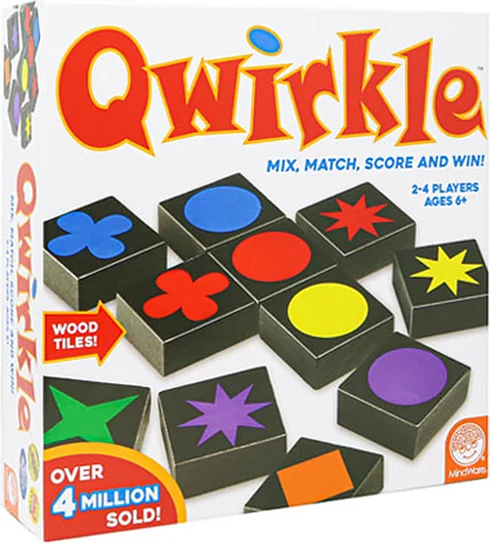 Ages 8+★ 4.0
Place colours and shapes cleverly: Spiel des Jahres 2011 (German game of the year award) and a classic family strategy game.
Editors' pick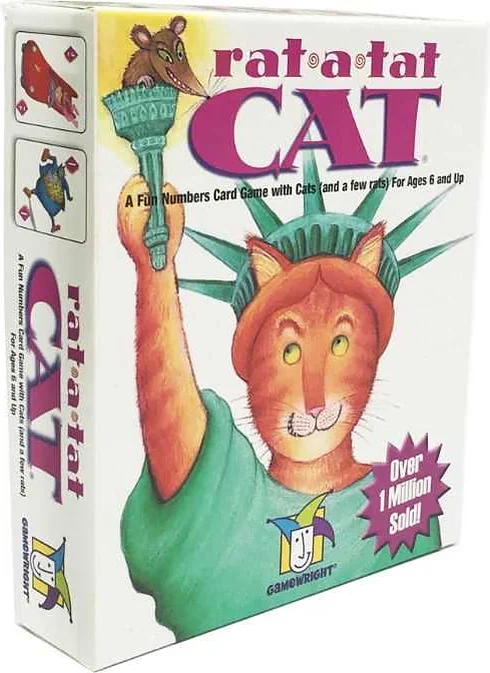 Ages 6+★ 3.9
Keep your face-down cards low: whoever forgets which card is where swaps their way to ruin.
Editors' pick Ages 10+★ 3.9
Get robots to the target in as few moves as possible: they slide until they hit an obstacle. Puzzle-solving for everyone at once.
Editors' pickAges 6+★ 4.4Nine picture dice, endless stories: a storytelling game with no winners or losers.
Editors' pick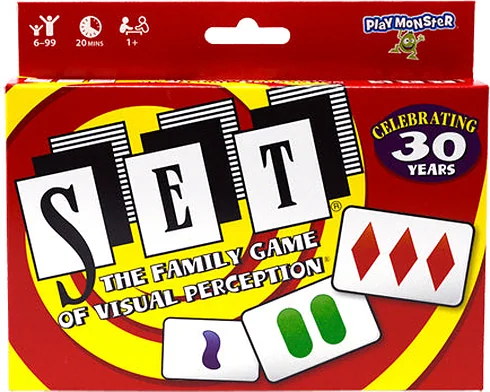 Ages 6+★ 4.1
Four features, one glance: whoever spots a valid set first may take it. Concentration in its purest form.
Editors' pick Ages 10+★ 4.0
Land a plane as a pair: place dice in silence on the right cockpit spaces and work together perfectly. An intense cooperative duel of concentration.
Editors' pick Ages 4+★ 4.2
Guessing taco, kitten or pizza and turning over the card: when a Candy card appears, everyone slaps the middle. A reaction game for children.
Editors' pick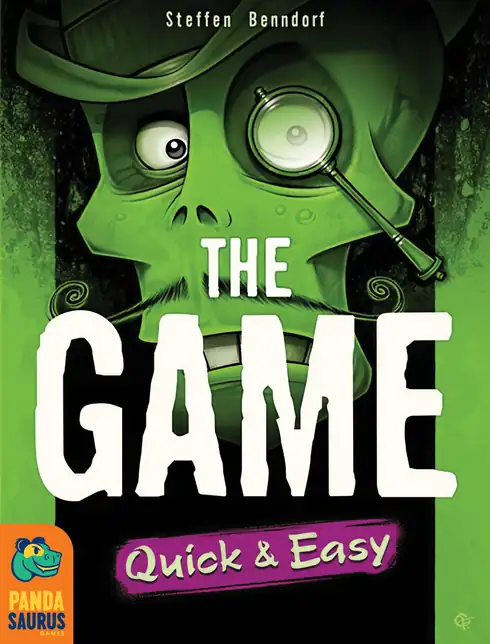 Ages 8+★ 3.9
Together against the deck: play all the cards in ascending or descending order. Talking is allowed, but giving away numbers is not.
Editors' pick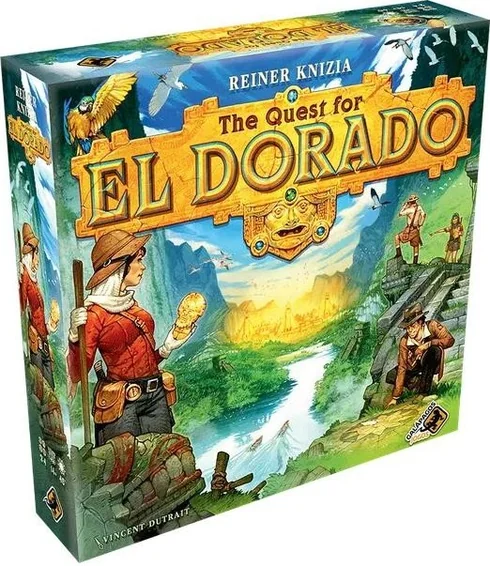 Ages 10+★ 4.2
Winning the race through the jungle with a growing deck of cards: accessible deck-building with constant forward momentum.
Editors' pick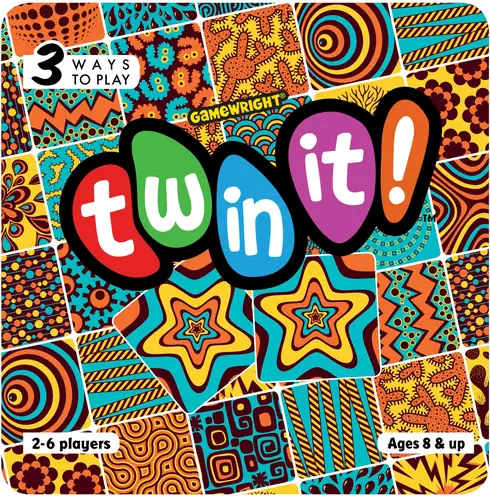 Ages 6+★ 4.3
Spot two identical patterns among many similar ones in a flash and pounce: a fast-paced perception game for sharp eyes.
Editors' pickHere you will find the games that we mark as “Editors' pick” and that can be played by two. They range from first games with rules from age 3 to duels from age 10; some are designed specifically for exactly two people. Each game has its own review on this website, with a description of how it plays, the number of players and a skills profile.
With three- to six-year-olds, the adult can help a little so that a long run of bad luck does not spoil the fun. At this age, children do not yet need to know how to lose; they are only learning it. It is precisely through play that they practise following rules and coping with disappointment. Things stay fair with open handicaps, such as a head start for the child, with games in which luck also counts, and with cooperative games in which you win or lose together.
Most children start to enjoy games with rules from around the age of three, but they only gradually learn to understand and follow the rules. This selection therefore starts with simple games from age 3 and 4, such as Katamino Family or Animal Upon Animal. Between five and seven, many children increasingly enjoy games with rules, with big differences in interest and ability. Once your child knows a game well, let them keep track of the rules themselves: that is more demanding than having adults remind them.
Both have their place. In competition, children practise dealing with winning and losing. Cooperative games take the pressure off because you win or lose together. In a study with 70 four- and five-year-olds in preschool groups, the children behaved more cooperatively and less aggressively during cooperative games; after competitive games, it was the other way round. Games you can play together as a pair here include Bandido from age 6, Hanabi or The Game: Quick & Easy from age 8 and Sky Team from age 10. Sky Team is designed specifically for two.
The information on the box says that it is possible, not that it is as much fun with two as in a larger group. Some games adapt their rules: in a two-player game of Blokus, each person plays two colours. Games for two only are tailored entirely to the duel. In this selection, these include Mastermind and Pentago from age 8 as well as Lost Cities: Card Game – With 6th Expedition and the cooperative Sky Team from age 10. The number of players is given in the review of each game.