 ★ 4.2
Editors' pick
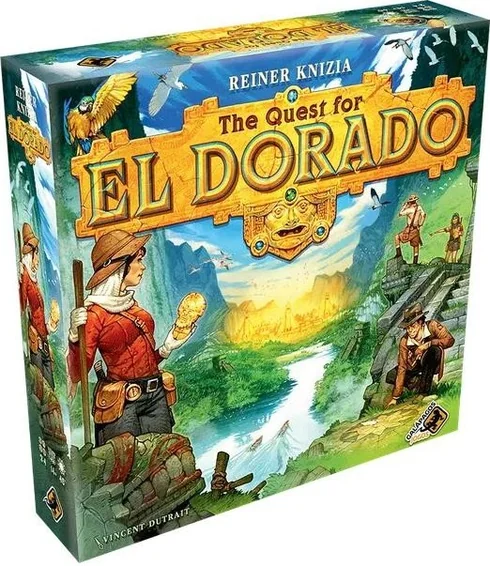
The Quest for El Dorado
Winning the race through the jungle with a growing deck of cards: accessible deck-building with constant forward momentum.
Many games on this page need to be planned over several moves, come with more rules and last longer than classic children's games. That suits this age. The executive functions, namely inhibition (impulse control), working memory and cognitive flexibility, are not yet fully developed at ten; they keep growing stronger well into adolescence. Planning and problem-solving build on them. The ability to keep taking other people's point of view into account also continues to develop into late adolescence.
Good board games challenge exactly these skills while being fun. In strategy and building games, players manage their resources and change their plans when others get in the way. Bluffing games call for strong nerves and a poker face, word and communication games for a feel for how the others think. Cooperative games thrive on planning and deciding together, tactical duels for two on full concentration.
When choosing, it is worth looking beyond the number on the box. How much time do you have? Playing times in this selection range from a quarter of an hour to around two and a half hours. How many people are playing, and should they play against each other or together? Word games require a solid vocabulary, extensive strategy games some experience of playing games. For teenagers, it is worth choosing games that adults find gripping too: then the whole family will be happy to sit down at the table.
★ 4.2Winning the race through the jungle with a growing deck of cards: accessible deck-building with constant forward momentum.
 ★ 4.1
As master builders in ancient Egypt, ship stones by boat and erect monuments: tactical deliveries with constant rivalry.
 ★ 4.1
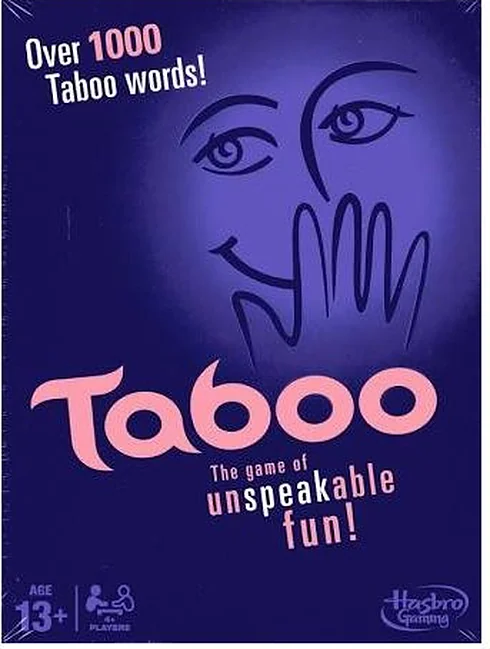
Explain a term without using the five most obvious words: creative paraphrasing against the ticking clock, as a team.
 Ages 10+★ 4.0
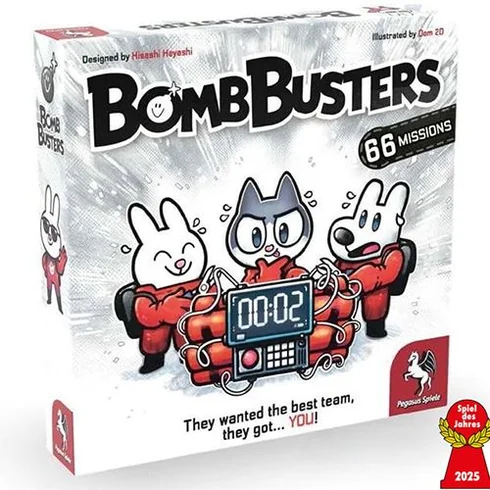
Defuse a bomb as a team: deduce the values of hidden wires from scant clues and cut them. Spiel des Jahres 2025 (German game of the year award).
Editors' pickAges 10+★ 4.1As master builders in ancient Egypt, ship stones by boat and erect monuments: tactical deliveries with constant rivalry.
Editors' pick Ages 10+★ 4.0
Two players launch expeditions and lay cards in ascending order, but every expedition started must first earn back its cost of 20 points. A thrilling duel.
Editors' pick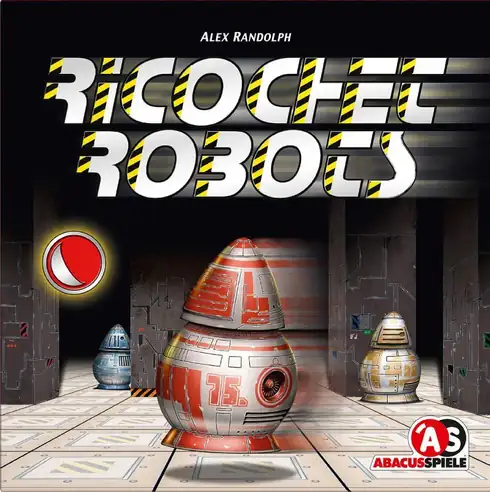 Ages 10+★ 3.9
Get robots to the target in as few moves as possible: they slide until they hit an obstacle. Puzzle-solving for everyone at once.
Editors' pick Ages 10+★ 4.0
Land a plane as a pair: place dice in silence on the right cockpit spaces and work together perfectly. An intense cooperative duel of concentration.
Editors' pickAges 13+★ 4.1Explain a term without using the five most obvious words: creative paraphrasing against the ticking clock, as a team.
Editors' pickAges 10+★ 4.2Winning the race through the jungle with a growing deck of cards: accessible deck-building with constant forward momentum.
Editors' pick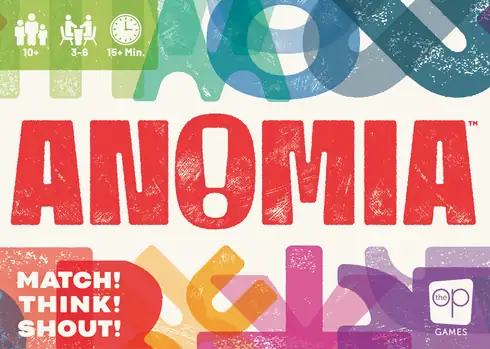 Ages 10+★ 4.0
When two symbols match, shout out an example for the other player's category at lightning speed and win their card: a fast-paced word-finding game for groups.
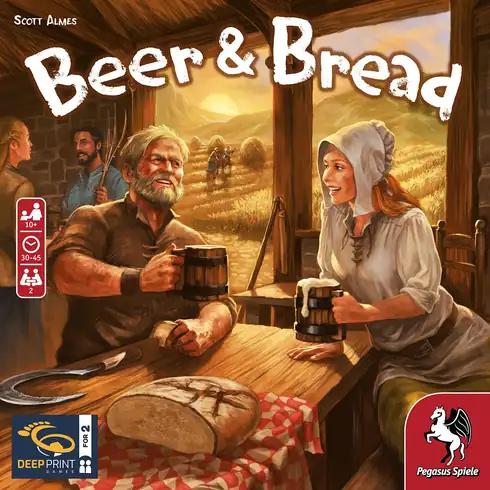 Ages 10+★ 4.0
For two: use each card to harvest, make beer or bread, or upgrade, and build up the better economy. A clever, tight head-to-head card game.
Tip a cube-shaped dwarf square by square through the dungeon, grab the key and escape through the gate: a tricky solo logic game.
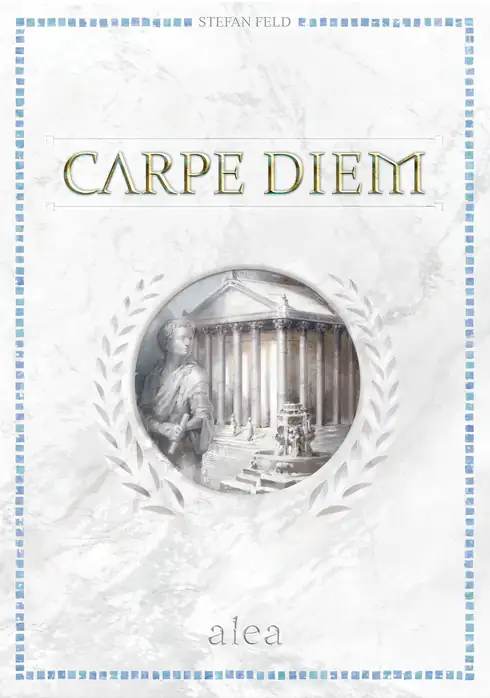 Ages 10+★ 3.8
Choosing tiles and building up a Roman estate of your own piece by piece to fulfil objective cards: a compact optimisation game by Stefan Feld.
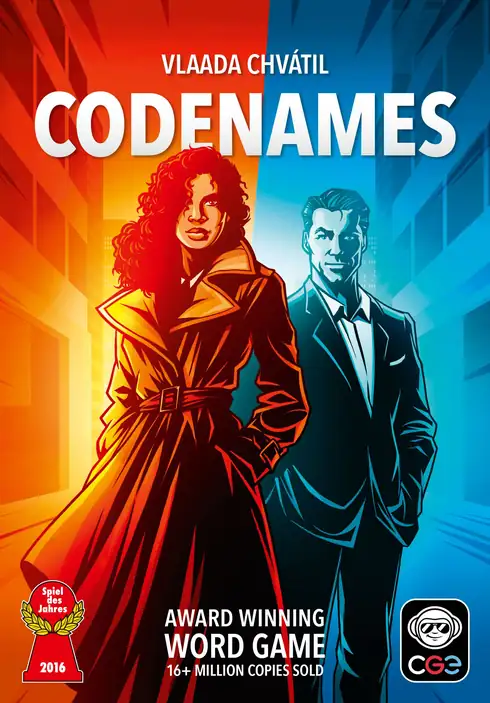 Ages 10+★ 3.9
Two teams, a grid of words: get your team to guess as many of its own words as possible from a single clue word. Pure wordplay and association.
 Ages 10+★ 3.8
Programming moves in advance, then looting, brawling and shooting on a moving train: a chaotic train robbery with plenty of gloating.
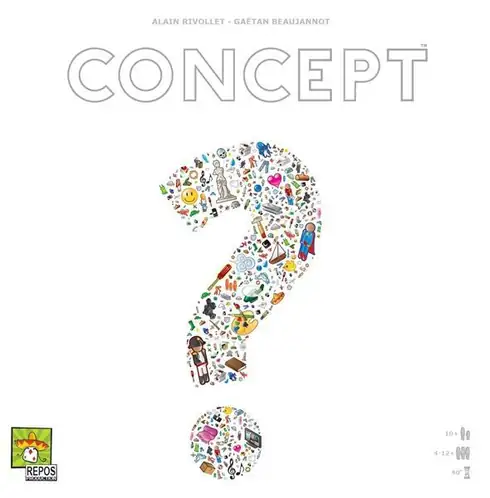 Ages 10+★ 3.9
Explain terms using only symbols on the board: no words at all, but plenty of deductive skill as a team.
 Ages 10+★ 4.0
Two players use a fine feel for cards to win the favour of seven geishas: an elegant, highly tactical duel of bluffing.
 Ages 10+★ 4.0
Place coloured pieces, shape landscapes and attract animals with suitable habitats: a cosy building game with a puzzle feel and a calm pace.
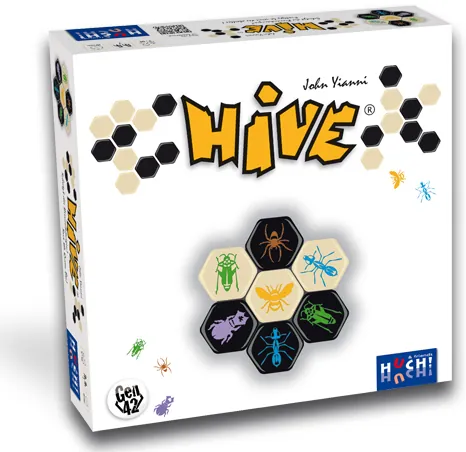 Ages 9+★ 4.0
A kind of chess without a board: placing beetles, ants and other insects so that the opposing bee is completely surrounded. Deep tactics with few pieces.
As Sherlock and Mycroft, place figures over seven days, collect clues and outwit your opponent: a tactical two-player collecting duel.
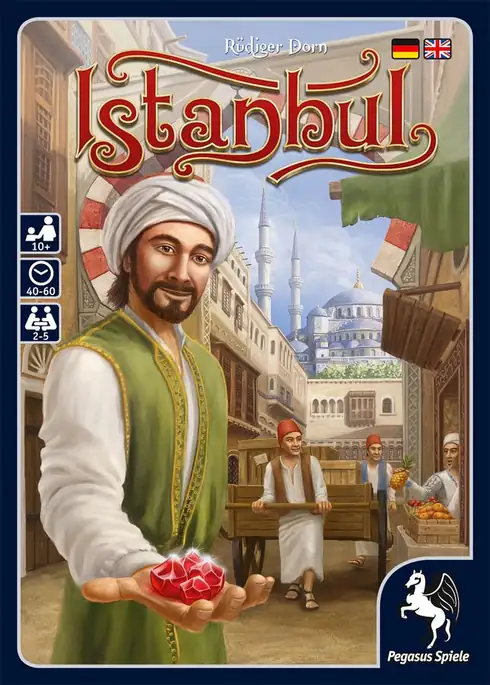 Ages 10+★ 3.8
Lead your train of assistants through the bazaar, trade goods and collect rubies: an optimisation game that is quick to get into, with many paths to victory.
 Ages 12+★ 3.9
As traders in the bazaar, collect goods cleverly and sell them at the right moment: a gripping duel for the best deal.
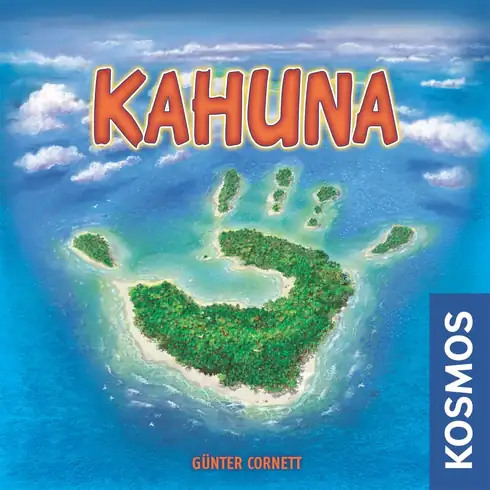 Ages 10+★ 4.0
Two players use cards to build bridges between islands and win majorities: a close, tactical tug of war for supremacy.
 Ages 10+★ 4.0
Move towers across the colour grid: the colour of the square you land on decides which tower your opponent has to move next. Elegant abstract logic for two.
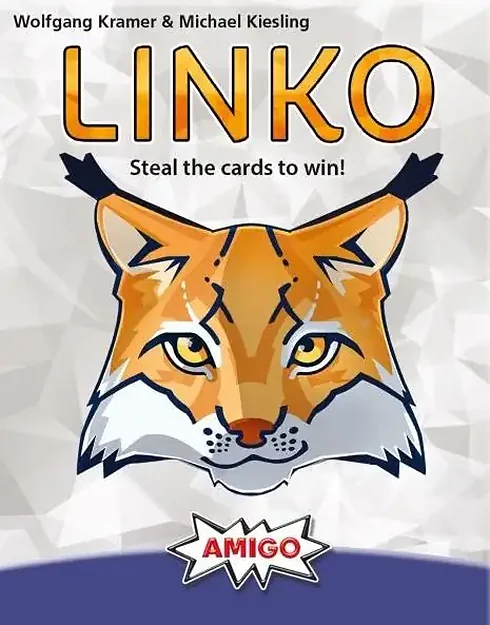 Ages 10+★ 4.0
Play cards and snatch the same number of lower cards from the other players: a mean, fast card-shedding game by Kramer and Kiesling.
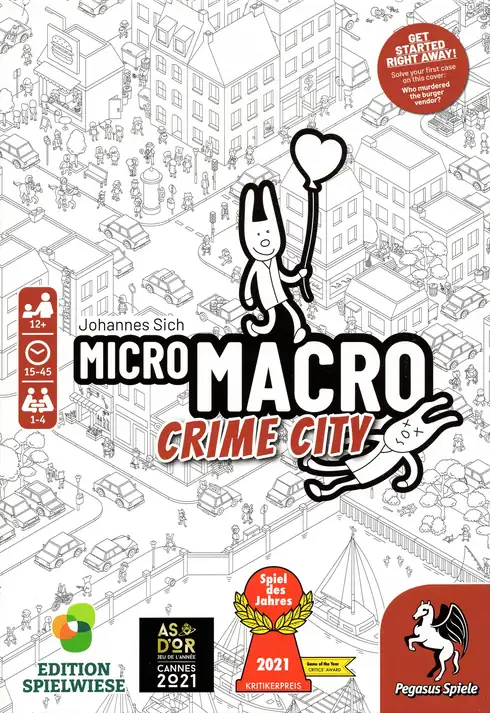 Ages 10+★ 3.8
Solve criminal cases step by step on a huge seek-and-find city map: close observation and deduction as a team of investigators.
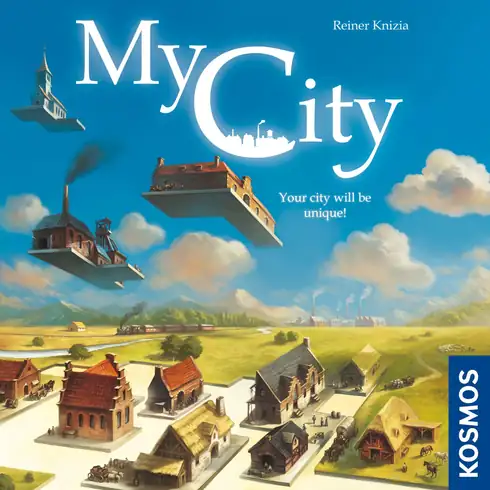 Ages 10+★ 3.8
Build a city with Tetris-style pieces over several games while it changes for good: an accessible legacy game for the family.
 Ages 10+★ 3.8
Survive the Stone Age together as a clan: manage cards, overcome dangers, build tools. A demanding cooperative adventure.
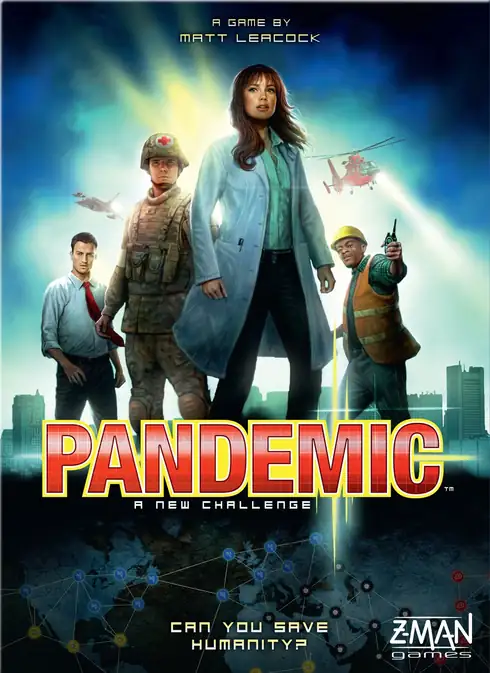 Ages 10+★ 3.9
Together against four spreading diseases: find the cures before the world tips over. Cooperative strategy with real thrills.
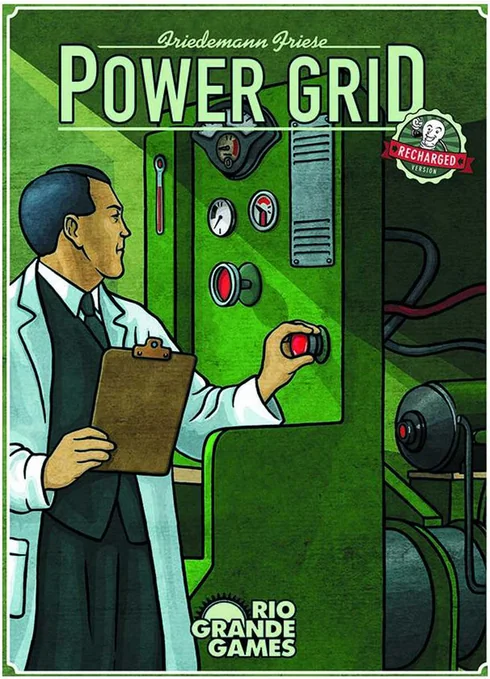 Ages 12+★ 3.8
Build a power network, bid for power plants and buy resources cleverly: a demanding economic classic for strategy fans.
Forming words from letters and making clever use of the bonus squares: the vocabulary classic that can also train spelling and tactics along the way.
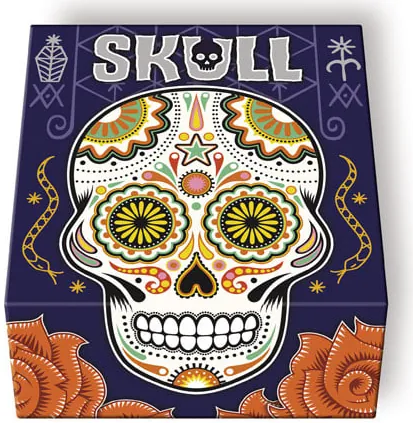 Ages 10+★ 4.2
Lay a rose or a skull face down and bid how many discs you can turn over blind: a pure battle of bluff and nerves.
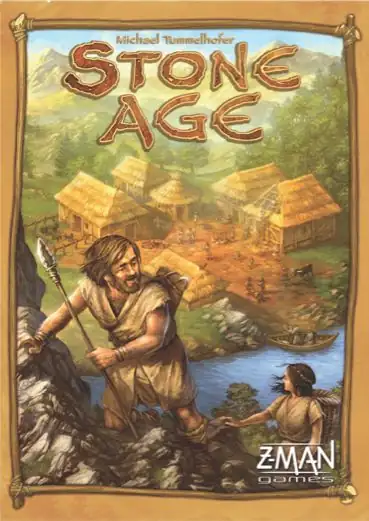 Ages 10+★ 4.2
Sending workers out into a prehistoric world, gathering resources and building huts: an accessible introduction to development strategy games.
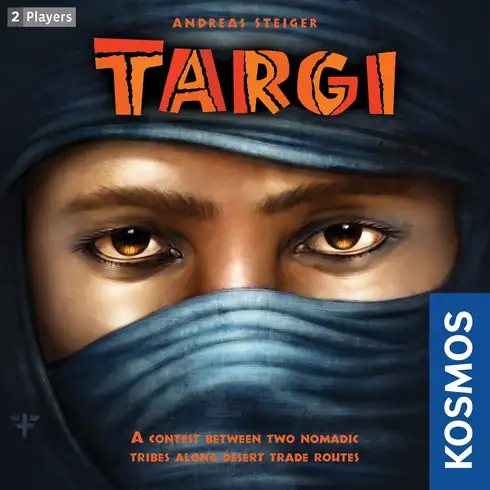 Ages 12+★ 4.0
Two players place Targi figures on the edge of the board, let their lines cross and trade Tuareg goods: a tight, tactical duel.
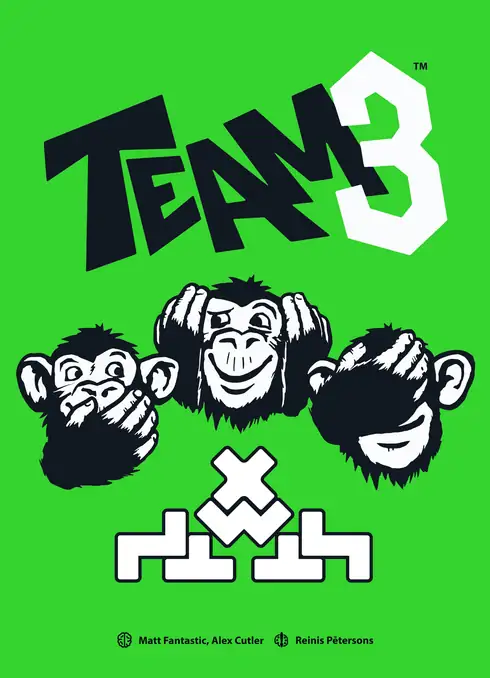 Ages 14+★ 3.8
One blueprint, three roles: one sees it but may only gesture, another reads the gestures, a third builds blind. Only together does the structure take shape.
 Ages 10+★ 4.0
A trick-taking game for two with clever special cards, but anyone who greedily takes too many tricks ends up empty-handed. A fine tactical duel.
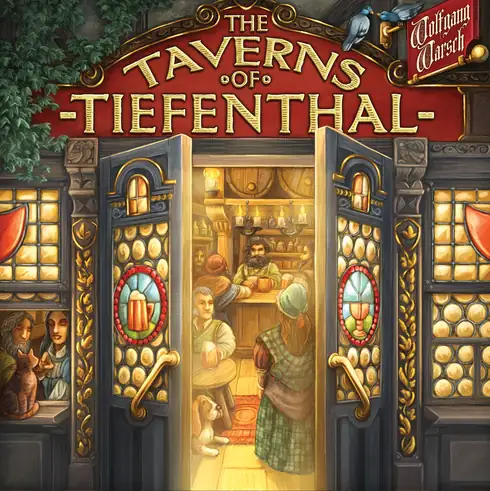 Ages 12+★ 4.0
Expand your own taproom, attract guests and cleverly combine cards with dice: an accessible building game with an ever-growing engine.
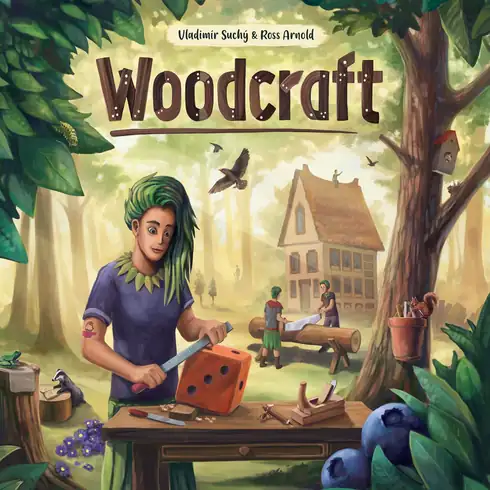 Ages 12+★ 3.8
Run a carpentry workshop by getting wood, sawing, gluing and fulfilling orders precisely: a well-thought-out dice puzzle for experienced players.
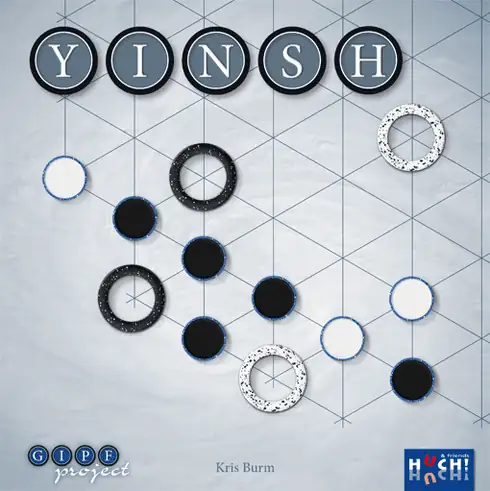 Ages 13+★ 4.1
Abstract duel from the GIPF series: place pieces, flip the ones you jump over and form rows of five, each of which removes one of your rings. Deep strategy.
This page includes the games in our collection for which the publisher gives a minimum age of 9 or more: for most of them 10, for one 9, and for some 12 to 14. Each game has its own review on this website and has been assigned by the editorial team to one or more skill areas; at this age, logic and planning predominates.
Not necessarily. The number on the box is the publisher's recommendation, not a fixed limit. Whether a game is suitable also depends on how much experience of games your child has, how long they can stay focused and whether they can read the text on the cards confidently. A good way in: play the first game together and think the moves through out loud until the sequence of play is familiar. If it gets too much, put the game aside for a few months and then try again.
Executive functions are the mental abilities with which we consciously control our thinking and actions. The neuroscientist Adele Diamond distinguishes three core functions: inhibition (impulse control), working memory and cognitive flexibility; planning, problem-solving and reasoning build on them. At ten, they are not yet fully developed: in one study, spatial working memory did not reach adult level until around the age of 19. The frontal brain regions involved mature late, with parts of the prefrontal cortex still maturing at the end of adolescence.
Games made specifically for two people work well: abstract tactical games such as Hive or Kamisado, the trading duel Jaipur or short card games such as Lost Cities: Card Game – With 6th Expedition and Hanamikoji. If you would rather play together than against each other, you can land a plane as a pair in Sky Team, coordinating largely without words. Many of these duels take around half an hour and so also fit into a weekday evening.
Research is cautious on this. Executive functions can be improved at any age through practice, especially when they are challenged regularly and with increasing demands. However, the effects usually transfer only to similar tasks. A review of interventions using board games found indications of better knowledge comprehension, more interaction and higher motivation, but stresses that there are still few studies. Board games are therefore not a training programme, but an opportunity to practise planning, waiting and rethinking with enjoyment.