 ★ 4.3
Editors' pick
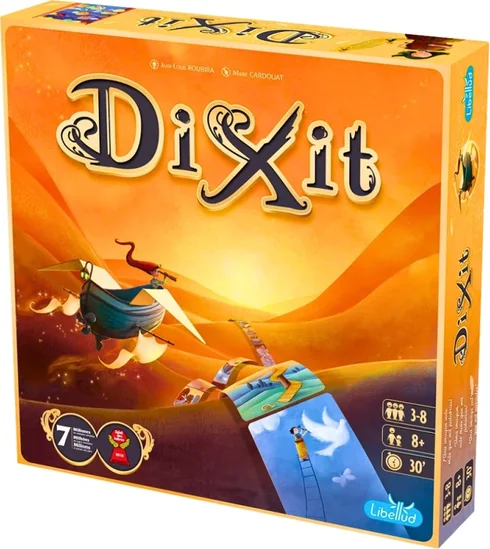
Dixit
Dreamlike pictures, subtle clues: the game that calls for a feel for language and empathy at the same time.
At eight, games become more demanding, and children grow with them. At this age, they increasingly think logically about concrete things: they keep several features of a situation in view at the same time, compare and put things in order. Purely abstract and hypothetical thinking, on the other hand, is often still difficult. This is when games in which real decisions count become exciting. In Azul, players plan several moves ahead and have to rethink when someone snaps up the tiles they need. In Diamant, players have to stop in time, before greed costs them the loot of the current expedition.
This calls on the executive functions: working memory, inhibition (impulse control) and cognitive flexibility. Planning and problem-solving build on them, and they continue to develop into adolescence. For 7- to 12-year-olds, the Center on the Developing Child at Harvard University names card games in which players have to keep track of the cards as practice for working memory (here, for example, Hanabi or Cabo Deluxe Edition). It names games with quick reactions as a challenge for attention and quick decision-making (such as Ghost Blitz).
Three questions help when choosing. Alone or together? Puzzle games such as Rush Hour keep a child busy on their own; in cooperative games, everyone wins or loses together. Can the difficulty be increased, for example through challenge cards at several levels? And how long does a game take? Most games here can be played in half an hour or less, while Dorfromantik: The Board Game can take an hour.
★ 4.3Dreamlike pictures, subtle clues: the game that calls for a feel for language and empathy at the same time.
 ★ 4.3
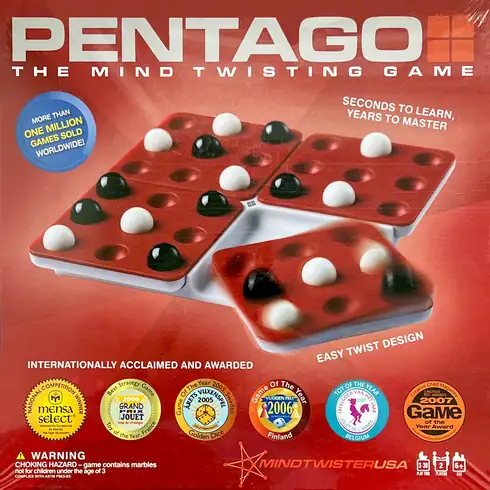
Get five marbles in a row, but after every marble a quarter of the board turns. Strategy that keeps you rethinking.
 ★ 4.3
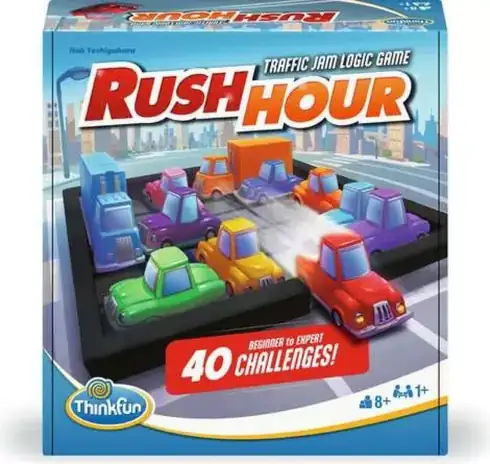
The red car has to get out of the traffic jam: the benchmark against which all logic games are measured.
 Ages 8+★ 4.0
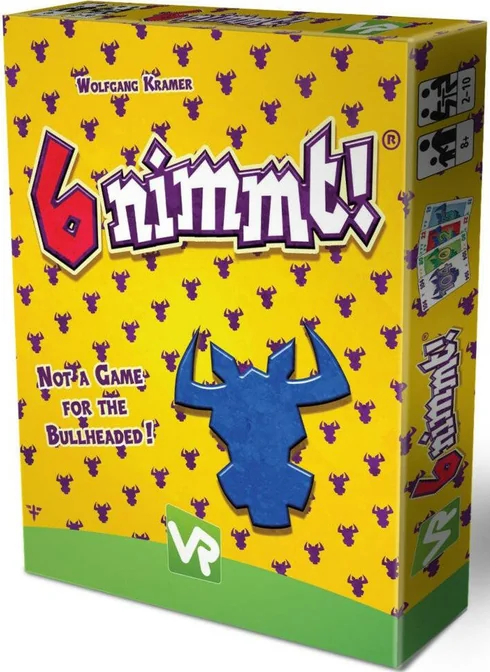
Whoever lays the sixth card collects the row: number logic, a feel for risk and delightful gloating.
Editors' pick Ages 7+★ 4.3
Everyone builds their own word grid at the same time: Scrabble without a board, but with speed instead.
Editors' pick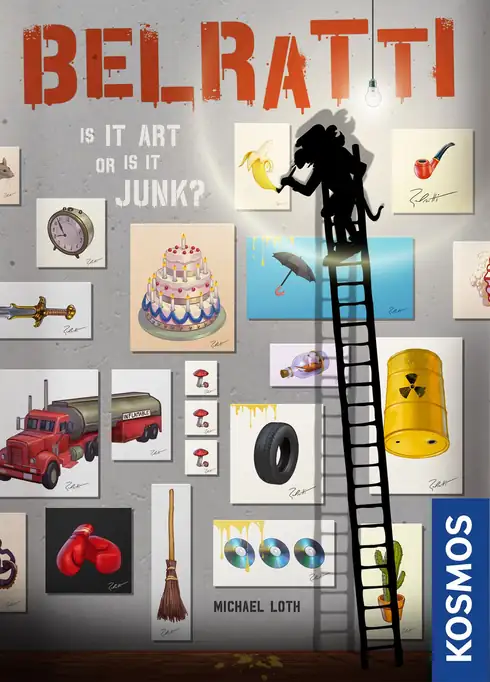 Ages 8+★ 4.0
The painters supply matching pictures, and the museum management has to spot the forgeries Belratti has slipped in: a charming cooperative association game.
Editors' pick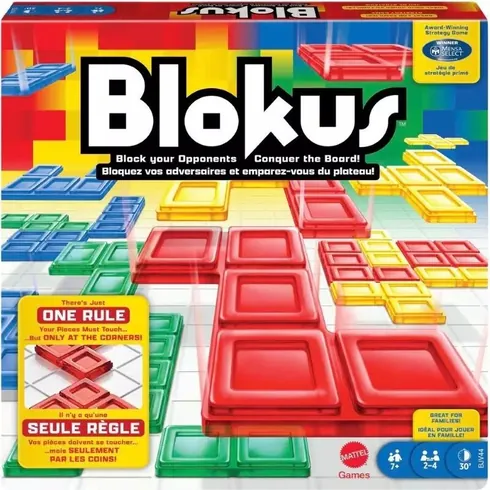 Ages 7+★ 4.3
Get all your pieces onto the board, with each new one touching your own only at a corner. Pure spatial strategy.
Editors' pick Ages 8+★ 3.8
Keep your face-down cards as low as possible, swap cleverly and call “Cabo” at the right moment: memory meets bluffing.
Editors' pick Ages 7+★ 4.2
Combine dice cleverly and advance on up to three routes, but whoever keeps rolling too greedily loses the whole turn. A classic of weighing risks.
Editors' pickAges 8+★ 4.3Dreamlike pictures, subtle clues: the game that calls for a feel for language and empathy at the same time.
Editors' pickGrab the right object, or the one that is not shown at all: reaction speed and impulse control under time pressure.
Editors' pick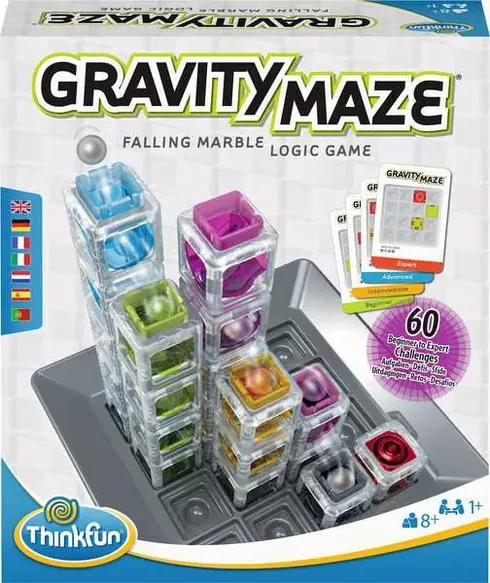 Ages 8+★ 3.8
Build towers so that the ball drops from the start into the target: a 3D brain-teaser with a marble-run reward.
Editors' pick Ages 8+★ 3.9
Everyone can see your cards except you: a cooperative fireworks display for the memory.
Editors' pick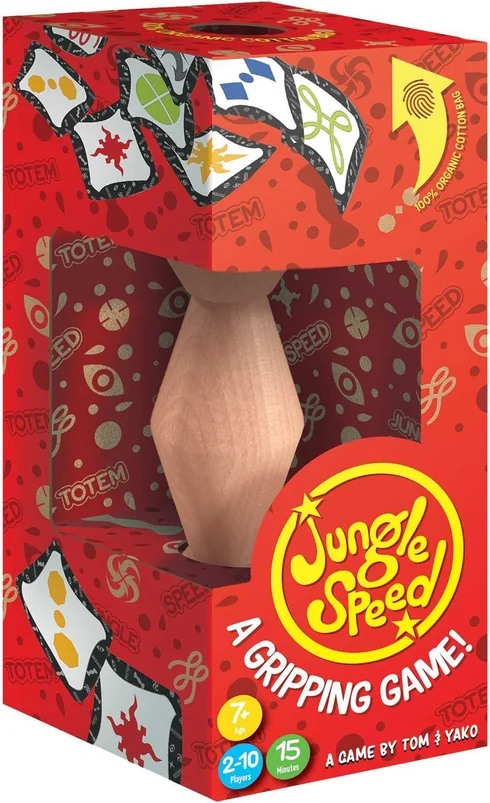 Ages 7+★ 4.2
Matching symbols? Grab the totem in a flash, but the symbols are fiendishly similar.
Editors' pick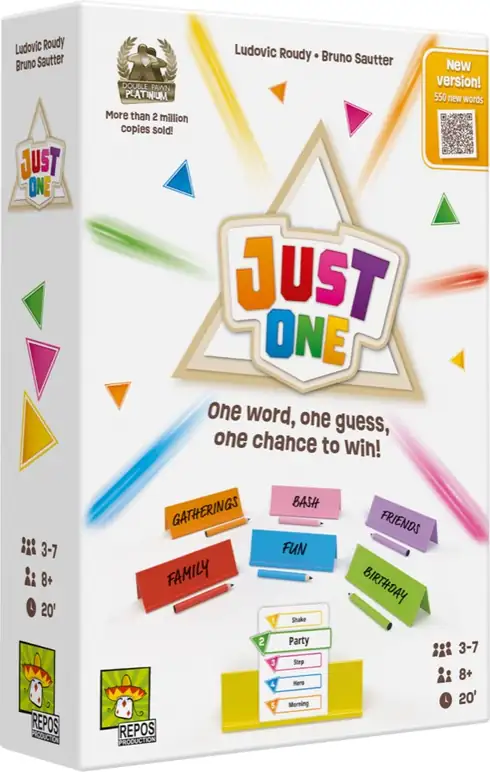 Ages 8+★ 4.1
Everyone writes a clue, and duplicates are crossed out: the most warm-hearted word game of recent years.
Editors' pick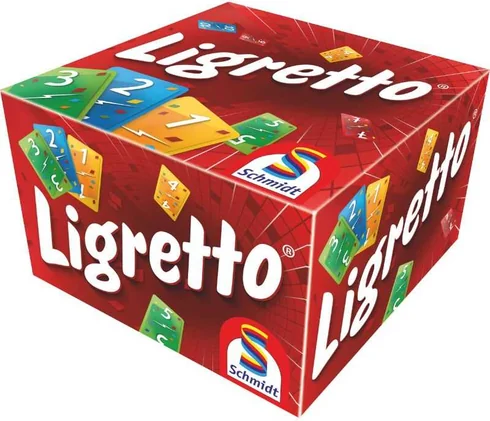 Ages 8+★ 4.2
Everyone plays at the same time, laying cards in the middle at lightning speed: it takes speed, an overview of the table and nimble hands.
Editors' pickCrack the secret colour code: deduction in its purest form, the classic logic game for two.
Editors' pick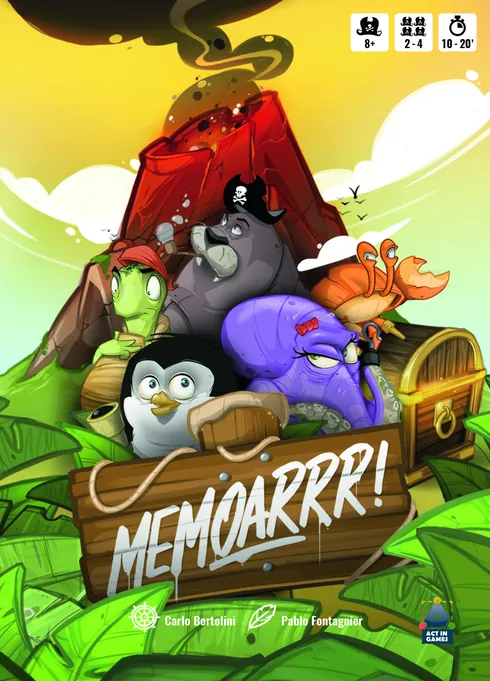 Ages 8+★ 4.2
A memory game (matching pairs) for advanced players: only cards that match may be turned over, and anyone who slips up is out.
Editors' pick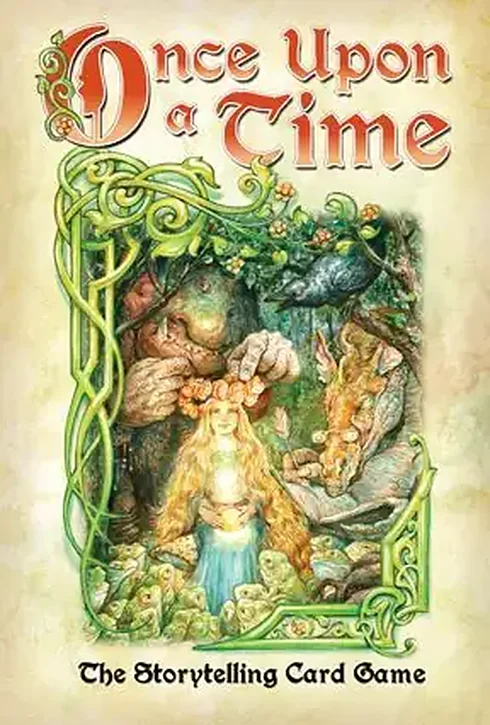 Ages 8+★ 3.9
Invent a fairy tale together and use story and ending cards to steer it cleverly to your own ending: an imaginative storytelling game.
Editors' pick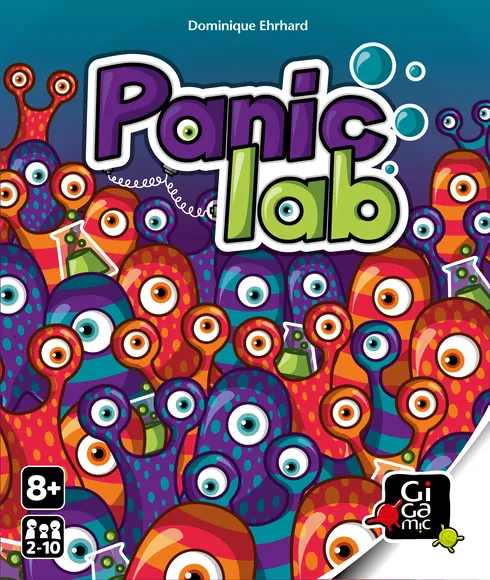 Ages 8+★ 4.0
Amoebas on the run: the dice show which one is wanted, but the way there follows devious rules.
Editors' pickAges 8+★ 4.3Get five marbles in a row, but after every marble a quarter of the board turns. Strategy that keeps you rethinking.
Editors' pick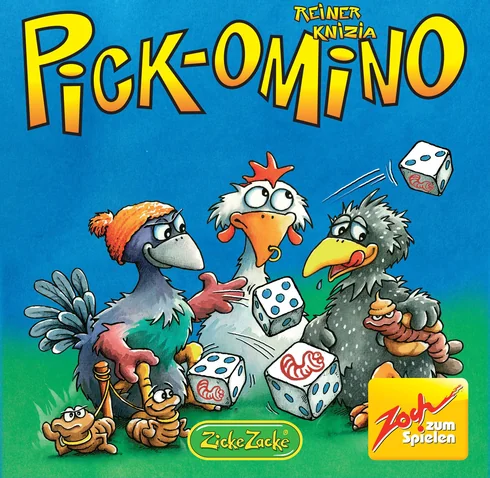 Ages 8+★ 3.9
Roll, add up, take a gamble: keep rolling or secure the worm? Weighing risks, with an addictive streak.
Editors' pickReveal ships and secure your winnings before you push your luck too far: an exciting push-your-luck card game in a pirate harbour.
Editors' pick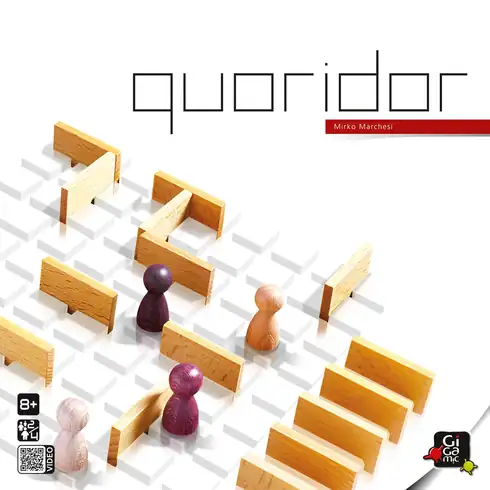 Ages 8+★ 4.2
Get your pawn to the opposite side while slowing your opponent down with walls: elegant logic on a maze board.
Editors' pick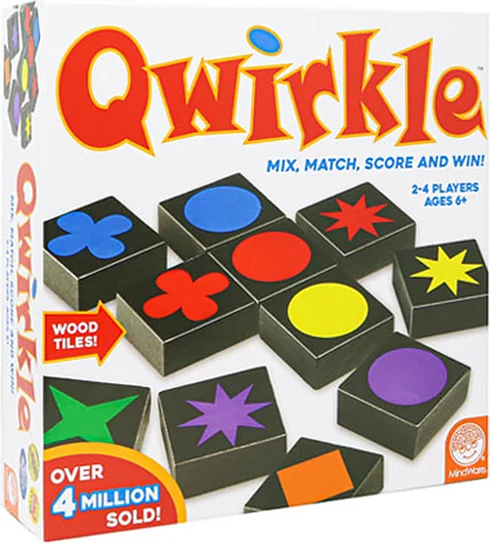 Ages 8+★ 4.0
Place colours and shapes cleverly: Spiel des Jahres 2011 (German game of the year award) and a classic family strategy game.
Editors' pickAges 8+★ 4.3The red car has to get out of the traffic jam: the benchmark against which all logic games are measured.
Editors' pickArrange seven simple shapes so that they form the given silhouette: the timeless classic among shape puzzles.
Editors' pick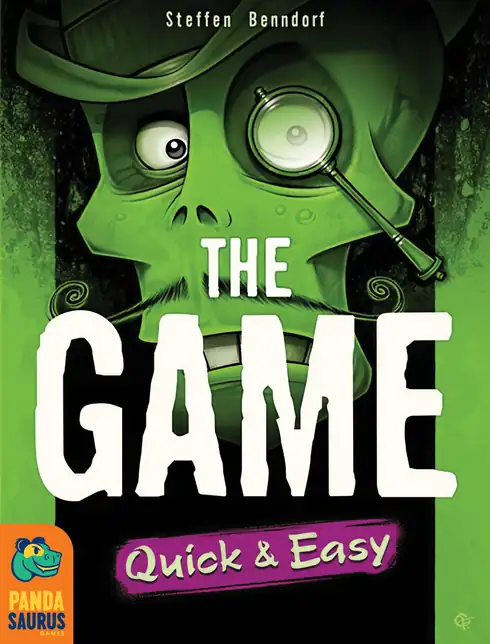 Ages 8+★ 3.9
Together against the deck: play all the cards in ascending or descending order. Talking is allowed, but giving away numbers is not.
Editors' pick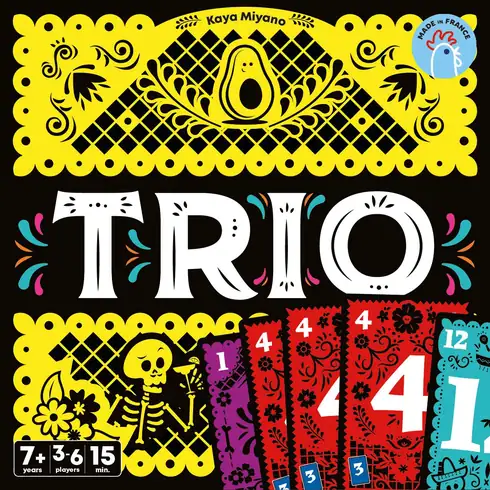 Ages 7+★ 4.0
Revealing hidden numbers and collecting three of a kind: whoever keeps track and guesses boldly wins. A simple, punchy game idea.
Editors' pick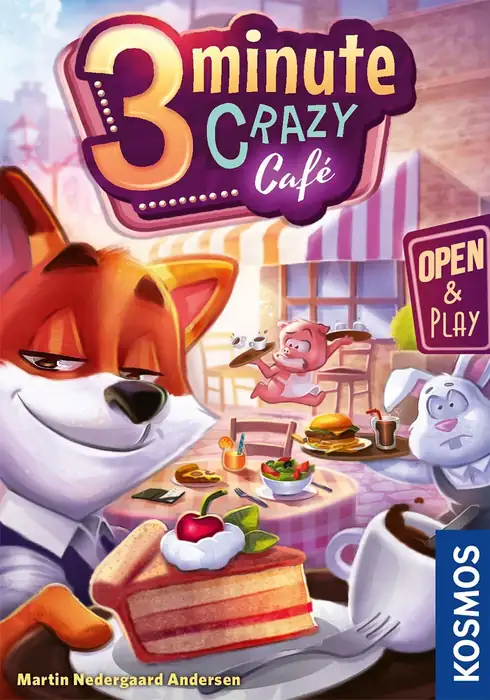 Ages 7+★ 4.1
Work through the café orders together in three rounds of three minutes each: a hectic cooperative game against the clock.
Give three answers in just five seconds while the marble run ticks away: under pressure, even simple things become delightfully hard.
 Ages 8+★ 4.1
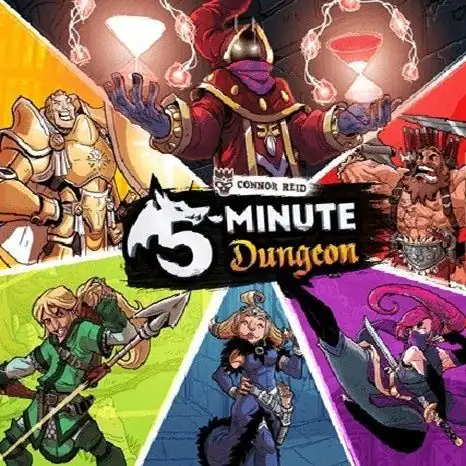
Defeat monsters together in real time before the five minutes are up: hectic, noisy cooperative card chaos.
 Ages 8+★ 3.8
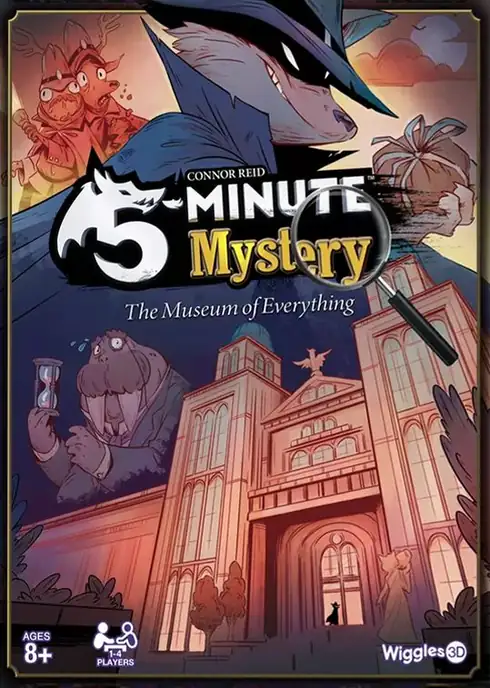
Narrow down the culprit together using symbols, usually in just five minutes: a hectic cooperative real-time deduction game.
 Ages 7+★ 4.0
Push rows of marbles and gradually force the opponent's marbles off the board: a clear-cut abstract duel for supremacy.
 Ages 8+★ 4.2
Drafting beautiful tiles cleverly and filling rows without picking up costly waste: an elegant tile-laying game with plenty of planning ahead.
 Ages 8+★ 4.3
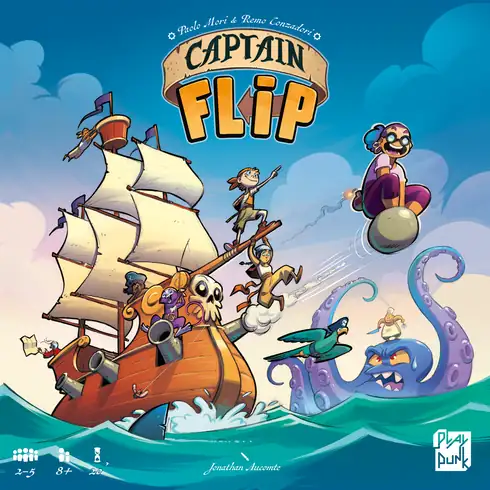
Draw a tile and decide: keep the visible character or flip it and hope for the other side? A light push-your-luck game with pirate charm.
 Ages 8+★ 3.8
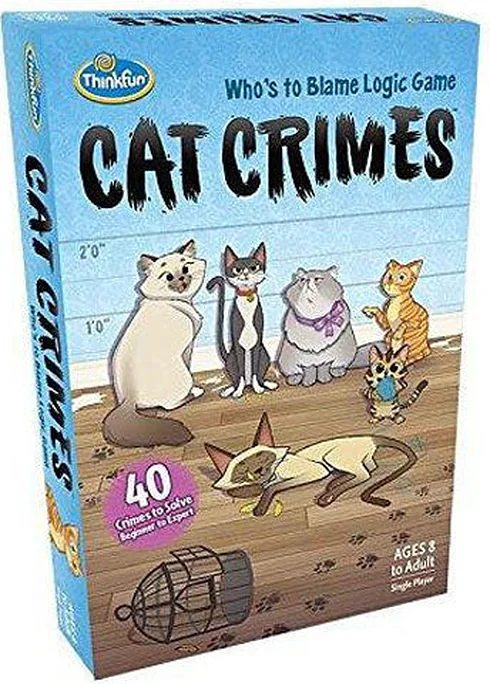
Use clues to work out logically which cat caused the damage: a tricky solo deduction game.
 Ages 7+★ 3.8
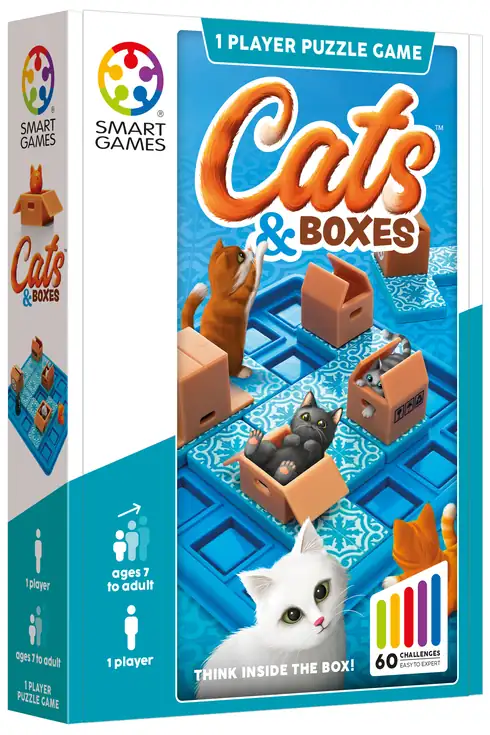
Move the boxes so that in the end every cat is sitting in a box: a cute solo game of spatial logic.
The timeless strategy classic: move pieces that each have their own way of moving and checkmate the opposing king. Pure thinking ahead for two.
 Ages 8+★ 4.2
Push deeper into the mine or get out with the loot in time? A shared risk in which greed is often punished.
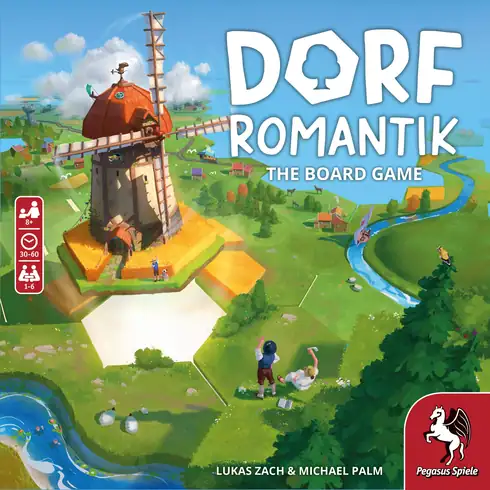 Ages 8+★ 4.2
Lay tiles side by side and let an ever more beautiful landscape grow: a calm, cooperative and absorbing building game.
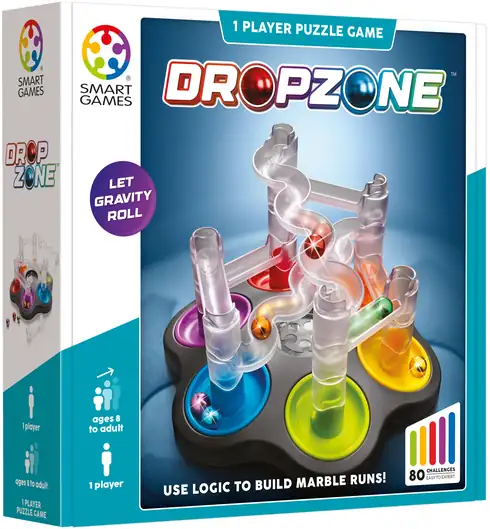 Ages 8+★ 3.5
Build the track so that every marble lands in exactly the right base: a clever solo logic game with a touch of gravity.
 Ages 8+★ 3.8
Overlap cards like pieces of a map and develop Japan's provinces cleverly: a quick game of trick-taking and building.
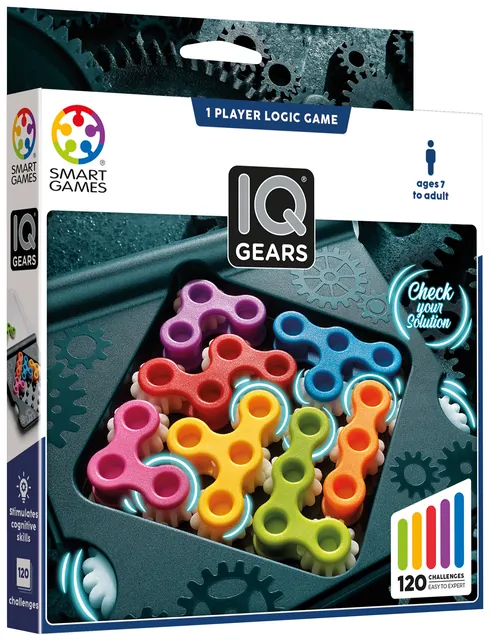 Ages 7+★ 3.8
Fit the interlocking gear pieces onto the travel board without leaving gaps: a compact solo puzzle game with challenges that get harder.
Help the rabbits jump cleverly over foxes and mushrooms into the free holes: a bouncy solo logic game.
 Ages 8+★ 4.3
Everyone lays the same path tiles at the same time and guides their adventurers to the temples: a tricky race on a jungle island.
Place mirrors and targets so that the laser beam hits the target exactly: a glowing solo logic game with a real aha moment.
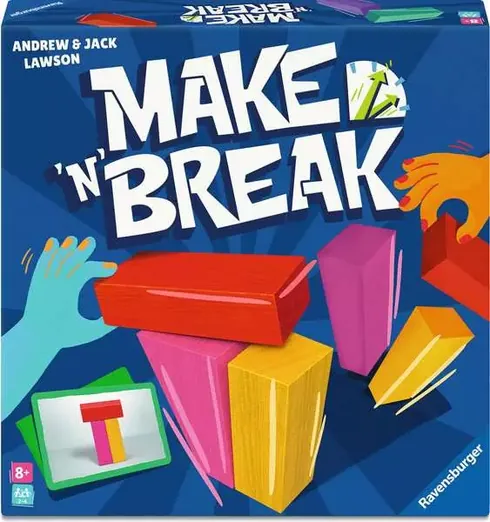 Ages 8+★ 3.9
In a race, stack building blocks exactly as the template shows: speed, steady hands and spatial visualisation in one game.
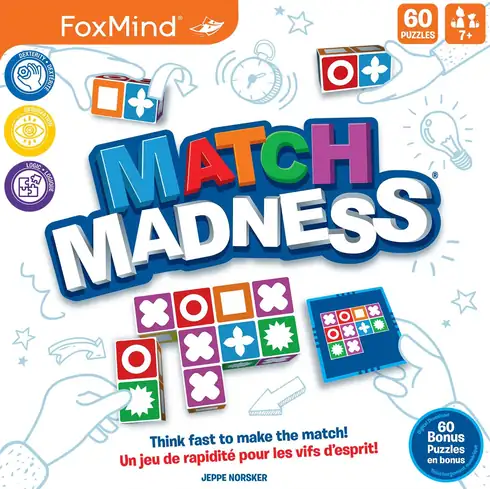 Ages 7+★ 4.1
Race to arrange your own blocks so that they match the pattern card exactly: a fast game of spatial perception.
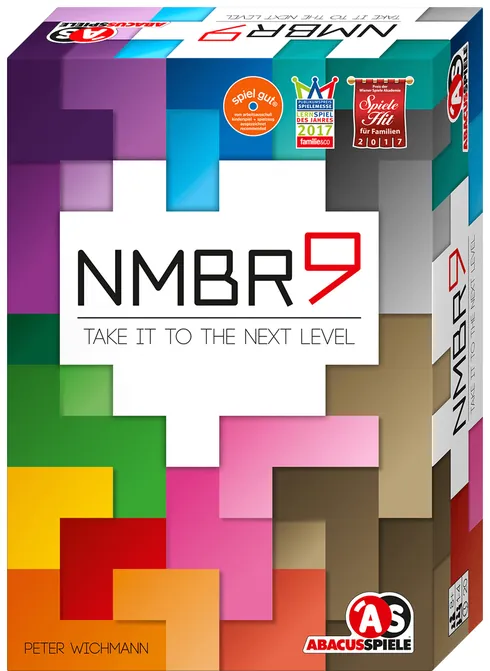 Ages 8+★ 4.0
Stack number tiles: the higher you build, the more you score. A clever spatial tile-laying game with no board, just brainpower.
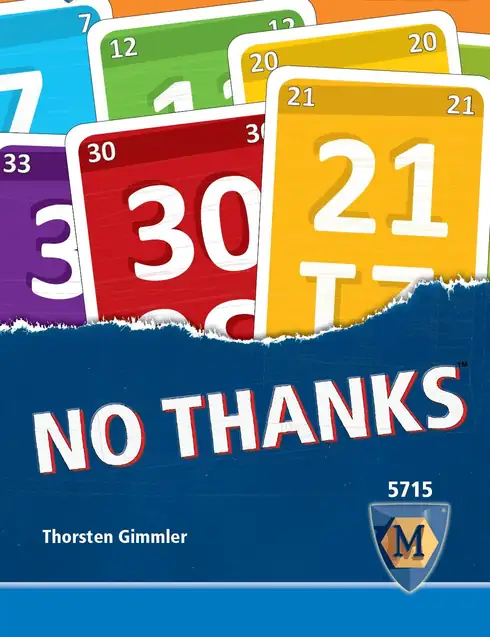 Ages 8+★ 4.2
Take the card or pass it on with a token? Keep your score as low as possible: a minimalist push-your-luck game with surprising depth.
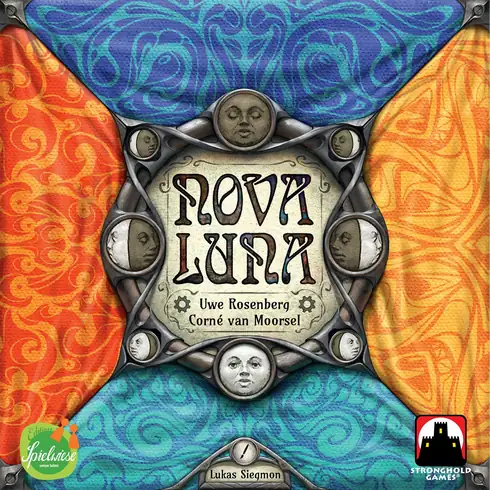 Ages 8+★ 3.9
Choose tiles and complete tasks based on colour patterns while the moon decides the turn order: calm, tricky optimising.
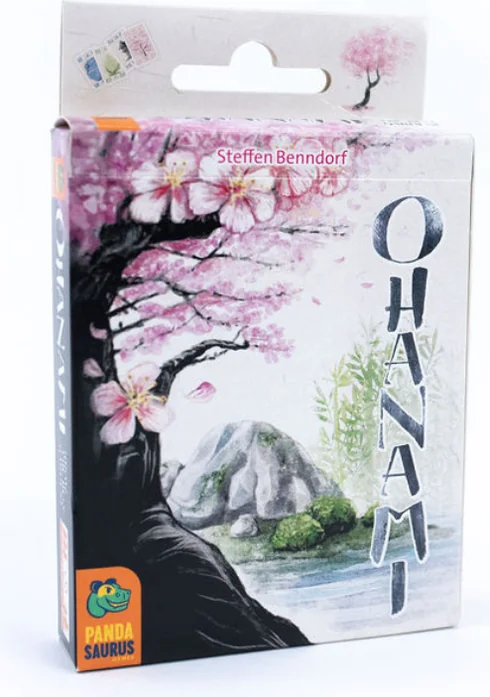 Ages 8+★ 4.2
Choose cards, lay them out in three rows and let gardens in bloom score points: elegantly simple, with subtle timing.
Pass the ticking bomb on before it goes off: quickly name a word with the required letter group. Word finding under time pressure.
 Ages 8+★ 4.3
Recreate a photo with strings, stones or sticks for others to guess: a creative, warm puzzle party game. Spiel des Jahres 2020 (German game of the year award).
 Ages 7+★ 4.0
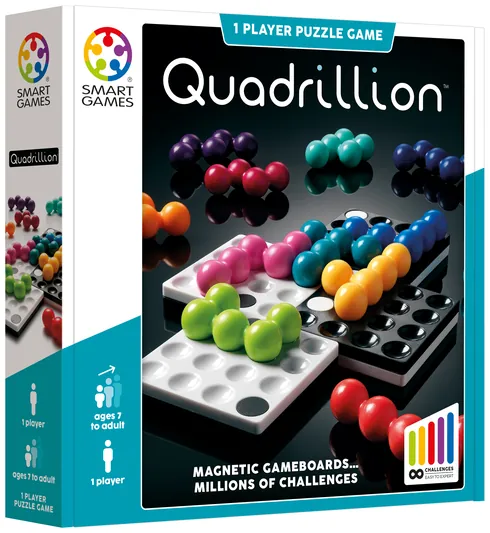
Arranging magnetic boards freely and then fitting in every piece without gaps: a spatial solo puzzle with almost endless variations.
 Ages 8+★ 3.8
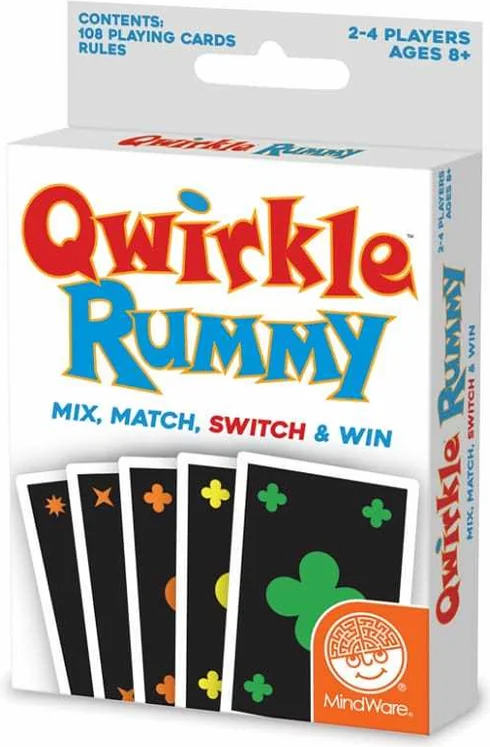
The card version of the classic: add colours and shapes cleverly and extend rows. A compact pattern-building game for playing on the go.
 Ages 7+★ 3.9
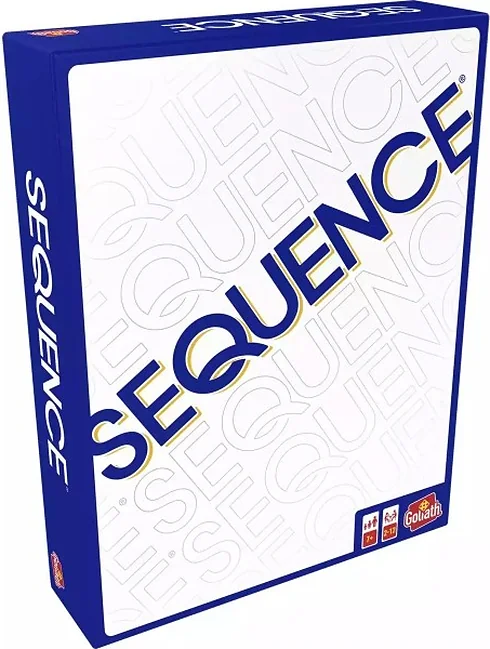
Use the cards in your hand to claim matching spaces on the board and get five tokens in a row: a card game and a board game in one.
 Ages 8+★ 3.8
Predict your tricks exactly and fight with pirate trumps: a lively trick-taking game with plenty of gloating.
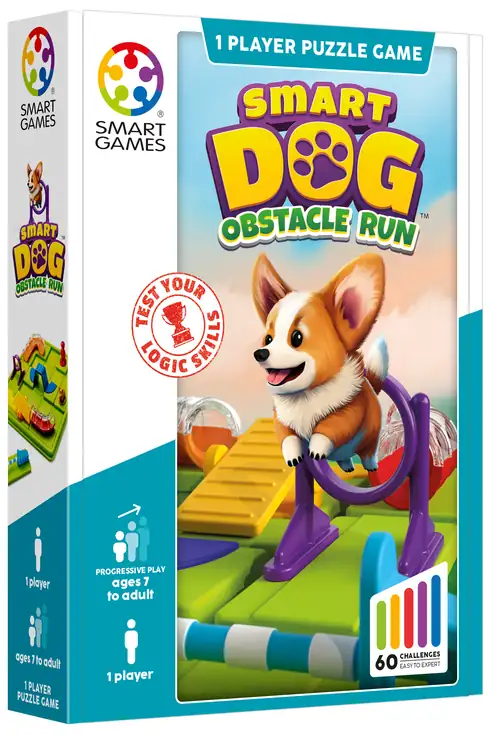 Ages 7+★ 4.0
Place obstacles so that the dog finds a course all the way to its trainer: a cute solo logic game with lots of challenges.
The classic word game with categories as a fast card game: find words for a letter and a category in a flash, vocabulary under time pressure.
 Ages 8+★ 4.0
Take turns flipping cards and saying the words in sequence; when picture and word match, everyone slaps as fast as they can. Delightfully silly reaction chaos.
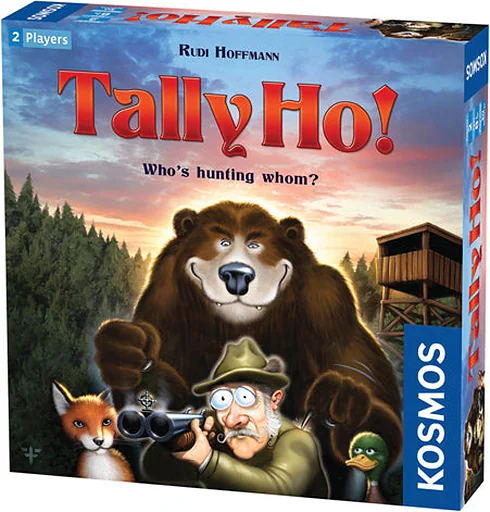 Ages 8+★ 3.7
Two players hunt the forest animals with skill and reveal face-down cards cleverly: a fine duel for the best catch, quick to explain.
 Ages 8+★ 3.9
Passing presents on face down and remembering what is where: anyone who fibs may get caught out. A mean little memory and bluffing game.
 Ages 8+★ 4.0
Play cards in ascending order without saying a word: the team has to develop a silent feel for one another. Fascinatingly unusual.
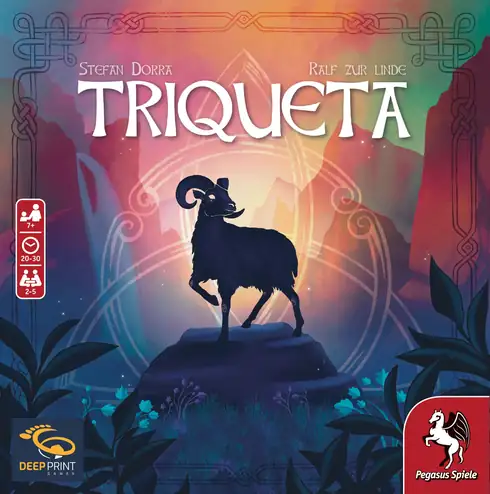 Ages 7+★ 3.8
Boldly collect sets of three tiles and secure them at the right moment: an accessible push-your-luck tile-laying game for the whole family.
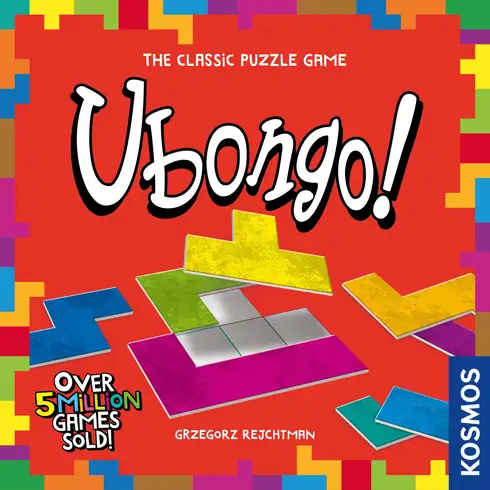 Ages 8+★ 4.3
Race to fit coloured pieces exactly into your own puzzle board and call “Ubongo!”: fast-paced spatial puzzling.
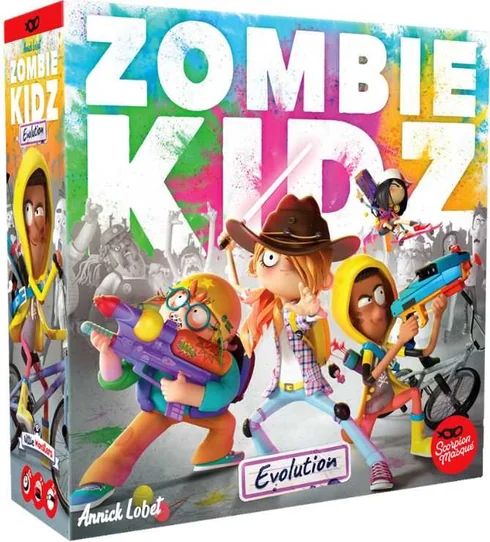 Ages 7+★ 4.0
Lock the school gates as a team and chase away zombies before they overrun the school: a beginner-friendly cooperative adventure for children.
This page lists all the games in our collection that the publisher recommends from age 7 or age 8; the recommended age on the box is what counts. Each game has its own review on our website and is assigned to the skill areas it mainly addresses, most often logic and planning. You will also find the games from age 7 on the page for seven-year-olds.
In our collection, Chess is recommended from age 8. The Center on the Developing Child at Harvard University counts strategy games among the good ways for 7- to 12-year-olds to practise. Children keep moves in mind, plan several steps ahead and adapt their plan to their opponent's moves. With practice, they can become really good at classics such as chess or Go. Shorter strategy games with few rules, such as Pentago or Quoridor, are a good way to get started.
Often, yes. The recommended age is the publisher's assessment, not a fixed limit; that is why this page shows games that the publisher recommends from age 7 or age 8. Whether a game suits your child also depends on their experience of playing games, their reading ability and their patience. It can help to play the first games with the cards face up, to leave out special rules or to play in a team with an adult. If it does not work yet, put the game away for a few months and then try again.
You should not expect miracles. A review of interventions for 4- to 12-year-olds lists non-digital games among the activities that can improve children's executive functions. Repeated practice and tasks that keep presenting a challenge were crucial; in addition, the progress tended to transfer only narrowly, to similar demands. For everyday life, this means playing regularly and with plenty of variety and increasing the difficulty as soon as something becomes easy. In the edition reviewed, Rush Hour, for example, offers 40 challenges at four levels.
Many, because a good part of the selection consists of family games that are not aimed only at children. Several have won the Spiel des Jahres (German game of the year award), a critics' award presented by a jury of games critics. They won the main award, not the separate Kinderspiel des Jahres (German children's game of the year award): Dixit (2010), Qwirkle (2011), Hanabi (2013), Azul (2018), Just One (2019), Pictures (2020) and Dorfromantik: The Board Game (2023). Hanabi, Just One and Dorfromantik: The Board Game are also cooperative: everyone wins or loses together.